







Operational infrastructure can’t be lost in the larger shuffle of NewFronts, as XR: Extreme Reach CMO Graham McKenna explains.
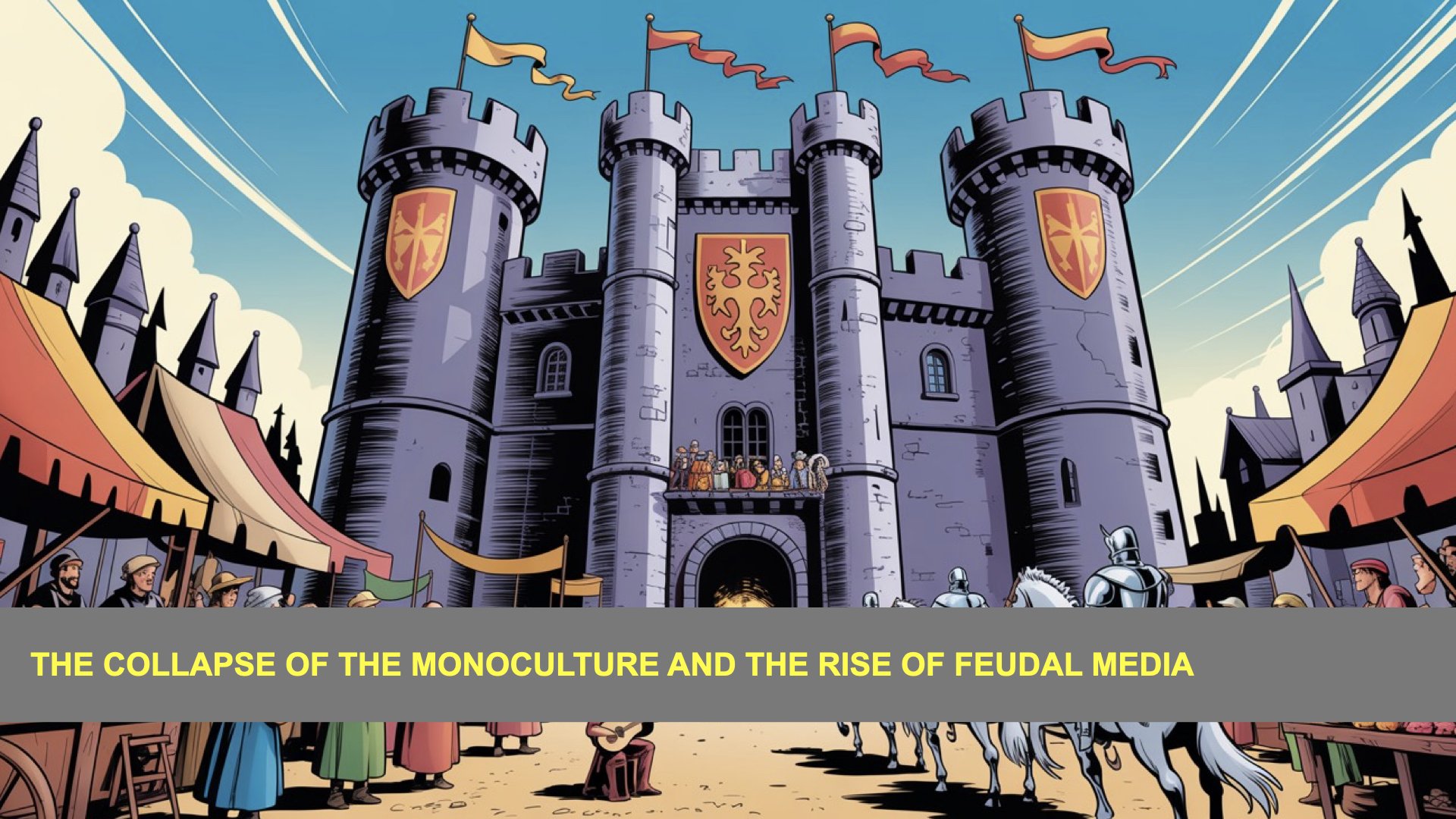
The Oscars nominees no longer represent the apogee of popular culture, Alan Wolk argues. But in the age of Feudal Media, they don’t have to.
Late-night TV is under fire… but have already found YouTube as a workaround to the various challenges being lobbed at it.
X users have turned against AI this month in the long-predicted backlash. There are multiple camps, Alan Wolk explains, though their rationales are frequently interlinked.
Does social video have a “prime time” window? John Cassillo explores.
Comedies have shrunk as part of TV and movies, but they’re still alive and well on YouTube, as data from Tubular shows.
A&E isn’t shying away from the evolving way audiences are tuning in, embracing YouTube in a way that brings their programming directly to where viewers are.
Disney+ is embracing short-form. But is it really just embracing owned video?
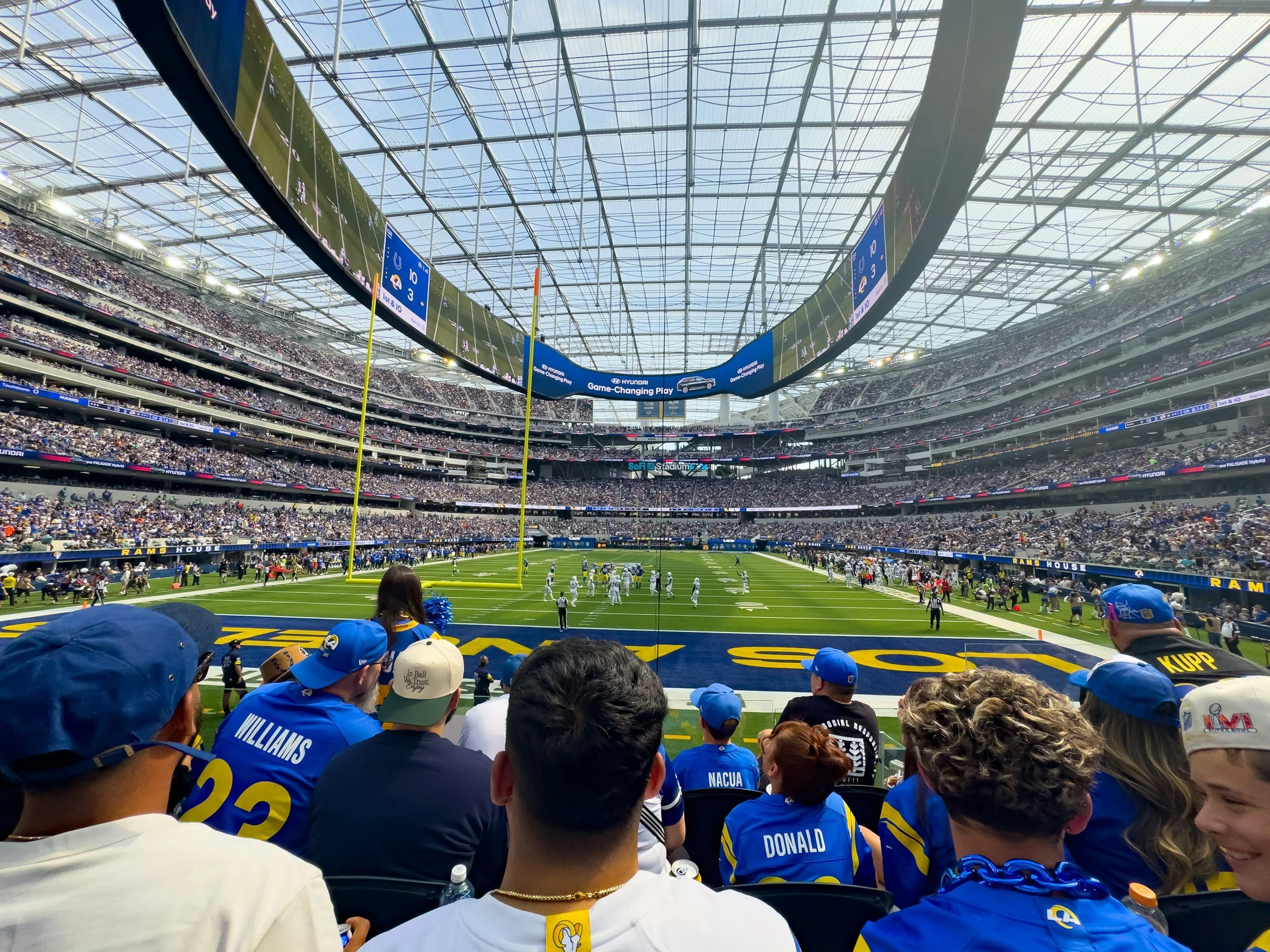
in a move that could topple the larger regional sports network model, nine MLB teams have cancelled contracts with FanDuel Sports Network.
Over three quarters of YouTube views came via short-form videos last year, as data from Tubular Labs highlights.
A big win for YouTube, but in many ways an even bigger win for the movie industry, which is counting on YouTube to revive its fortunes.
YouTube taking over the Oscars broadcast changes how big events reach a broad TV audience (as YouTube expands itself further as a traditional TV alternative).
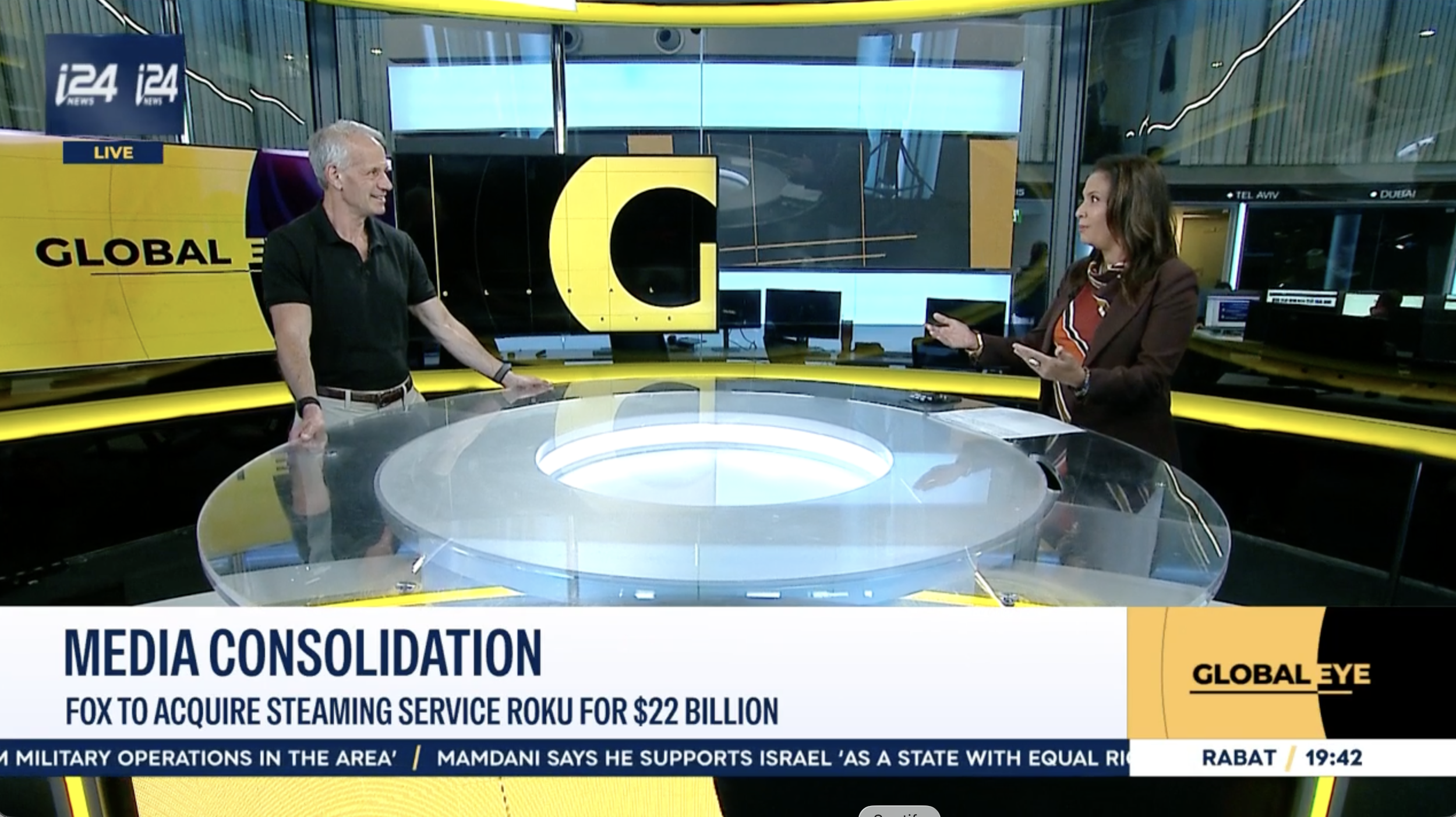
TVREV’s new infographic lays out all the issues in the ongoing battle to see who will buy Warner Bros… or the most valuable part of it.
In a recent interview, President Trump indicated he regarded the sale of CNN as key to the Warner Bros. deal. We unpack.
One of the biggest assets in a potential Netflix acquisition of Warner Bros. could be its enormous YouTube audience.
David Ellison’s unsurprising counteroffer/hostile bid for Warner Bros. is just the latest chapter in the saga. Here’s why it’s a boon for conspiracy theorists everywhere.
Why all the handwringing about how the Netflix-Warner deal signals the death of Hollywood ignores the fact that the creator ecocomy was going to kill it off anyway.
What we’re thinking 24 hours after the historic Netflix-Warner Brothers announcement that Netflix was buying HBO Max and Warner Bros. studios.
Was there ever anything the TV industry could have done to save itself from the reign of the tech overlords?
Sports rights conversations have focused primarily around Fox and ESPN in recent years, but NBC has quietly made itself into a power player on the back of premium events.
Korean language content is now more popular than Spanish. A look at what makes K-Content so special, from K-Pop to K-Dramas to K-FAST.
MLS matches will now be included in Apple TV subscriptions, as the service adjusts how it’s positioning itself in the market.
The World Series was a global affair this fall, in part fueled by impressive performance for international videos on YouTube.
Jimmy Kimmel’s return has put up bigger numbers on late night TV, but those figures (and its potential relevance) get even bigger when looking at social video.
A look at how the fan communities of the early 10s paved the way for the Feudal Media of today.
A new deal between TiVo and Free Live Sports shows that in the new fragmented ecosystem, FAST can live outside TV.
F1 is coming to Apple in 2026 — but does that mean anything for either without a larger Apple investment in sports?
YouTube and Creators took over MIPCOM this year and the big lesson was that we are in an age of pulling not pushing. Alan Wolk explains the ramifications.
The Streaming Lab’s Dubai-based founder Yann Colléter shares his impressions of MIPCOM during a year that saw Creators get a lot closer to taking center stage.
If GPTs are going to replace us, they’re first going to need to get basic things like travel advice down pat.
Streaming Wars
As TV shifts to streaming, new players emerge, others merge, and AVOD, SVOD, and FASTs take hold.

