MLB Teams Cancel FanDuel Sports Network Contracts: Now What?
On Thursday, the nine remaining Major League Baseball clubs that have their games televised by FanDuel Sports Network terminated their contracts with the parent company Main Street Sports Group — according to a report from The Athletic’s Evan Drellich.
While Drellich says it’s possible that all of these deals can be renegotiated, and several of these contracts have been in the recent past, the current status quo leaves Main Street Sports without its most consistent year-round sources of content.
These regional sports networks obviously air other games across the NHL, NBA and college sports. But baseball’s extensive season and near-daily game schedule are really the lifeblood of their existence. Without them, the networks potentially struggle for as much relevance for fans in those markets, especially if they don’t have enough teams to thoroughly fill out a live game schedule in other sports.
To that point, not every one of these markets has that full collection of teams. And in fact, just two of them do, in Detroit and Miami.
Th full list of teams leaving includes the:
Atlanta Braves
Cincinnati Reds
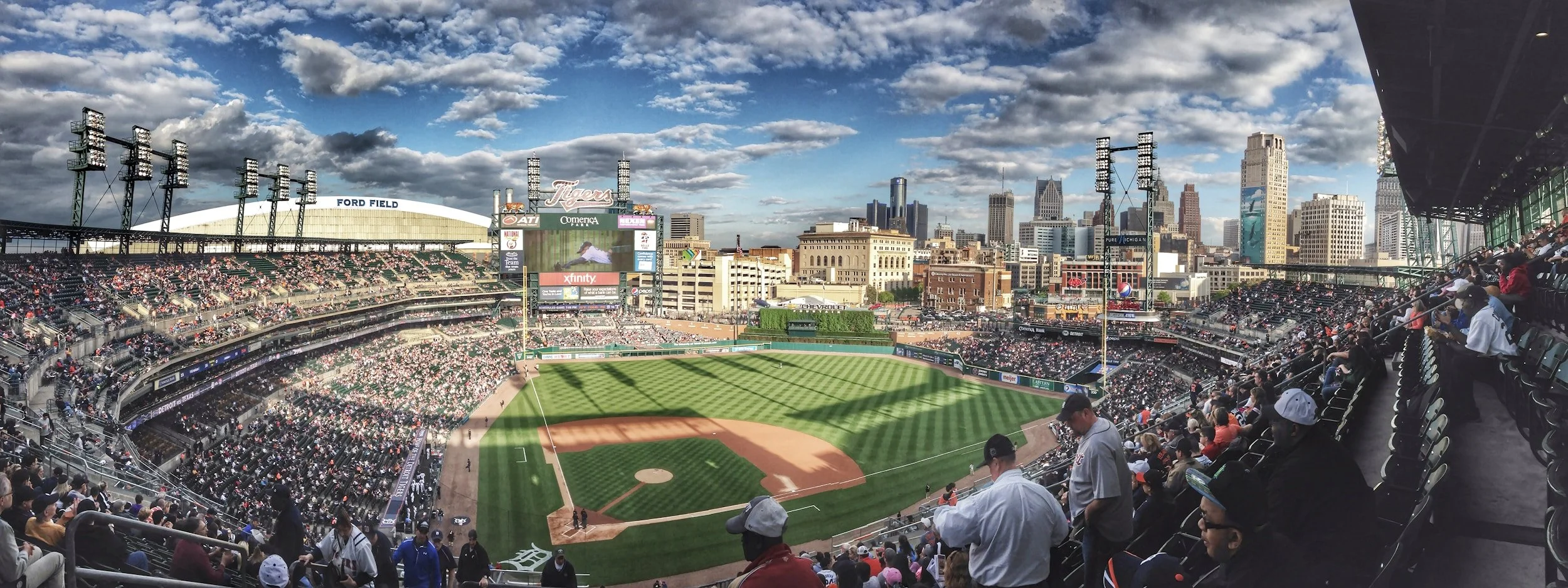
Detroit Tigers
Kansas City Royals
Los Angeles Angels
Miami Marlins
Milwaukee Brewers
St. Louis Cardinals
Tampa Bay Rays
Whether those clubs end up returning to Main Street and FanDuel Sports Networks, it’s still just the latest in a long run of struggles for these regional nets that were once enormous parts of the sports media landscape.
Post-COVID, the former Fox Sports RSNs fell into financial troubles as Diamond Sports Group under Sinclair’s ownership, and have lost numerous teams across MLB, NHL and the NBA as those leagues and teams embrace new distribution methods like owned streaming services, while also leaning into old models like broadcast.
As streaming has become a larger factor in sports viewership, most teams and/or markets have gone direct-to-consumer to cater to cord-cutter and cord-never viewers that want to avoid paying for larger cable packages. Leagues have also tried to progress toward more centralized streaming options to better control how games are produced and distributed as both national and regional products.
Many NHL teams have embraced local broadcast and team-owned streaming while housing the NHL.TV product within ESPN+ for years now. The NBA has been efforting to consolidate as much of its local rights as possible under the league’s roof, assumedly utilizing League Pass and Amazon (who already has a national media deal with the NBA) to go direct-to-consumer as well.
For baseball, MLB already owns local Arizona Diamondbacks, Cleveland Guardians, Colorado Rockies, Minnesota Twins, San Diego Padres and Seattle Mariners. And ESPN notes that the Washington Nationals likely join that group this year. If MLB takes over local rights for the nine teams that have cancelled contracts with FanDuel Sports Network, that would make 16 teams under MLB control — or just over half of the league.
While not a done deal, it would certainly feed into the idea that MLB and ESPN are in the process of breaking RSNs, using the Worldwide Leader’s new streaming app to distribute local broadcasts. The Athletic’s reporting earlier this week, in advance of the contract cancellations, indicated ESPN was unlikely to carry local broadcasts for MLB teams this season. Though that was before MLB potentially owned this many teams’ rights (again, assuming they take over those rights for the nine additional clubs).
So what next?
This feels like it could be the final straw for many, if not all of these clubs, with regard to Main Street Sports. And MLB would seemingly prefer it was as well.
From the early 2000s through 2019, MLB clubs were collecting significant revenues via carriage deals for these RSNs. But the tumult since has seen those revenues decline, and Main Street (like its predecessor DSG) has repeatedly missed payments to teams. In the meantime, MLB and other leagues have built digital infrastructures to compensate for these shortcomings. It may be time for everyone to rip off the bandaid regarding this new approach.
You can also bet that NBA, NHL and MLB commissioners and owners are all in conversation on rights consolidation and RSN issues as well. Losing this many MLB clubs could make some of these RSNs unviable, opening the door for basketball and hockey teams to jump ship as well.
Whether all at once, or over the next few years, we’re likely witnessing the end of regional sports networks — save for the handful of options in New York and Los Angeles (MSG, SNY, YES, Spectrum Sportsnet) who can potentially hang on for a little bit longer than the rest.