



The Future Of Television. Dissected Daily.

Local TV’s Political Ad Boom Comes With A New Pricing Catch
For local TV, recent court rulings could mean more political dollars chasing scarce airtime — but at lower rates.
Local Media Isn’t Dying. It’s Becoming a $185 Billion Battleground
BIA Advisory Services’s Rick Ducey joins Tim Hanlon this week on episode 25 of In the Vicinity.

Sports TV Could Use A New “Love Network”
Jerry Lewis and a loose network of local stations demonstrated decades ago a model that may once again make economic sense in today’s fragmented sports market.
Local Radio’s Future May Depend On Being More Local, Not Less
Lakes Media President and Owner Tom Birch joins Tim Hanlon this week on episode 24 of In the Vicinity.
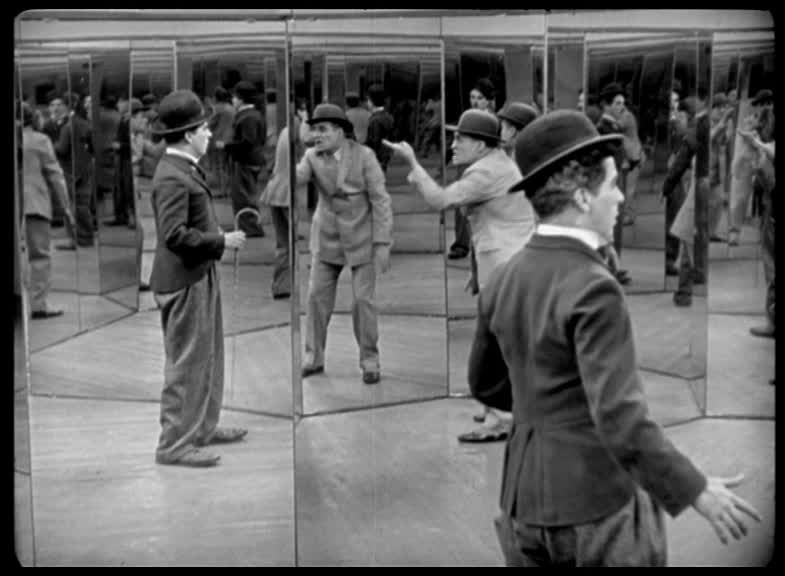
Broadcast TV’s Regulatory House Of Mirrors
The FCC spent years giving broadcasters reasons to invent complicated ways not to own stations, and is now giving them reasons to own those stations after all.
Can Local News Reinvent Itself For A Streaming-First World?
Media Inno Managing Partner Tom Sly joins Tim Hanlon this week on episode 23 of In the Vicinity.
What The Charter/Cox Merger Means For Local TV
The Charter-Cox merger is more than a cable television story: it gives one of the country’s largest broadband connectivity companies substantially greater scale to challenge the traditional economics of local television.
AI Won't Replace Local Expertise—It Will Make It More Powerful
Madhive Chief Innovation Officer Aaron Brown joins Tim Hanlon this week on episode 22 of In the Vicinity.
FCC Opens The Door To Broadcast Consolidation. Will Local News Be Better For It?
TVND founder and former news director Kirk Varner joins Tim Hanlon this week on episode 21 of In the Vicinity.

Local TV's Quiet Marketing Problem
Many of the companies that once helped reinforce local broadcast television viewing are no longer in the business of promoting television itself.
Local TV Keeps Chasing Scale. But Is Transformation the Real Challenge?
Madhive CEO Jim Wilson is back on In the Vicinity this week to talk to Tim Hanlon about what the proposed FCC ownership rule changes could mean for local broadcasters.
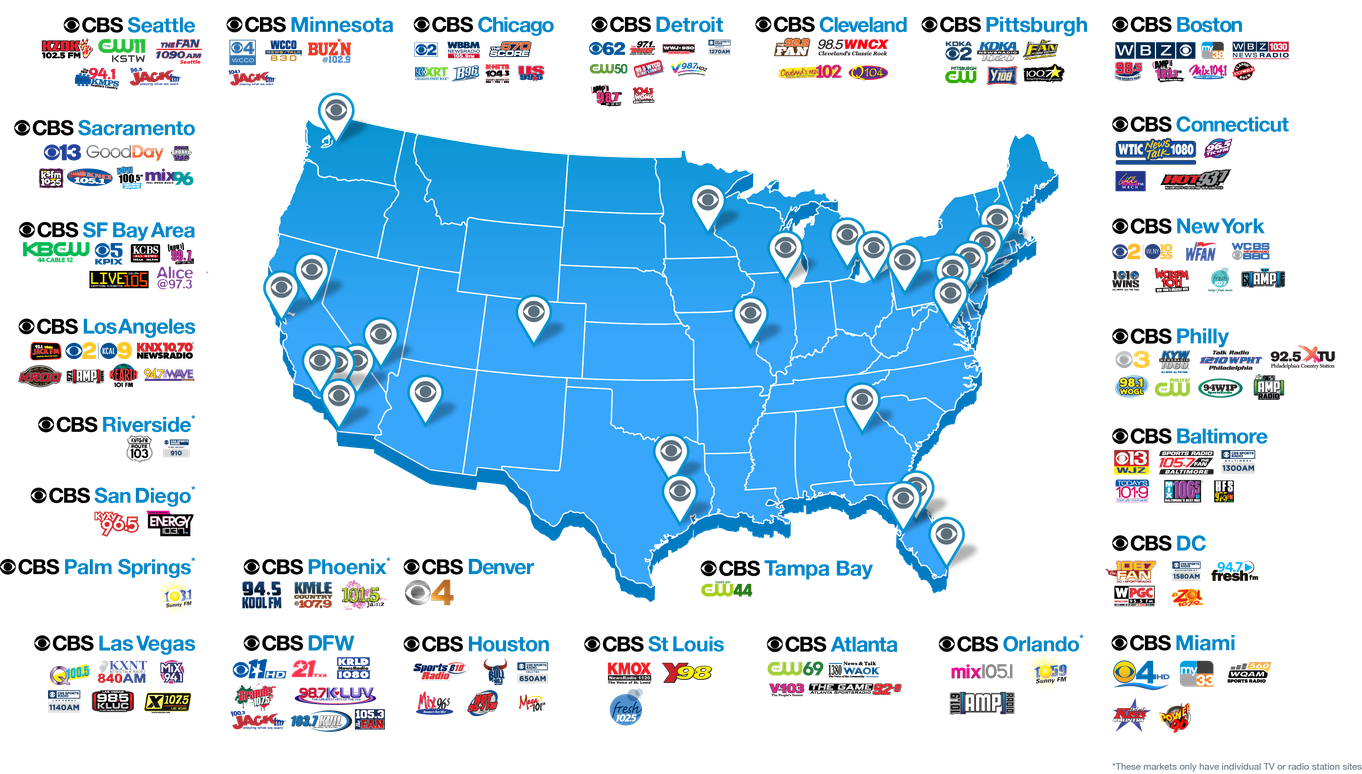
The FCC's Bigger Broadcast Ownership Question
Next week’s vote at the FCC is likely to replace a decades-old national TV broadcast station ownership cap formula with a substantially more subjective regulatory standard - and a whole new set of challenges.
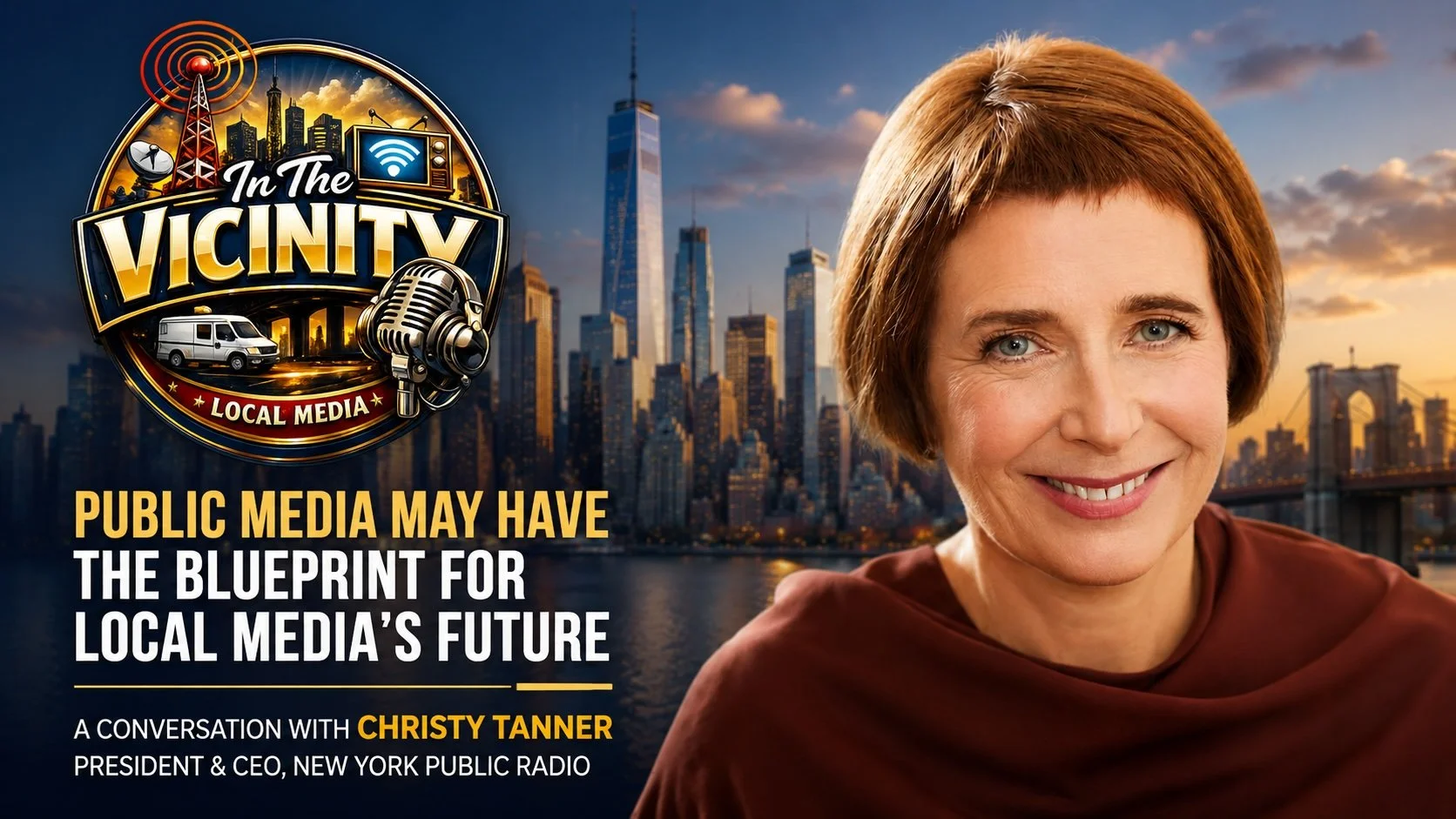
Public Media May Have The Blueprint For Local Media's Future
On the latest episode of In the Vicinity, Tim Hanlon sits down with Christy Tanner, President and CEO, New York Public Radio.

The Hidden Battle Behind MLB’s Looming Labor War
Baseball’s next great question is not simply how the sport divides existing revenues — but who controls the next generation of local media rights.
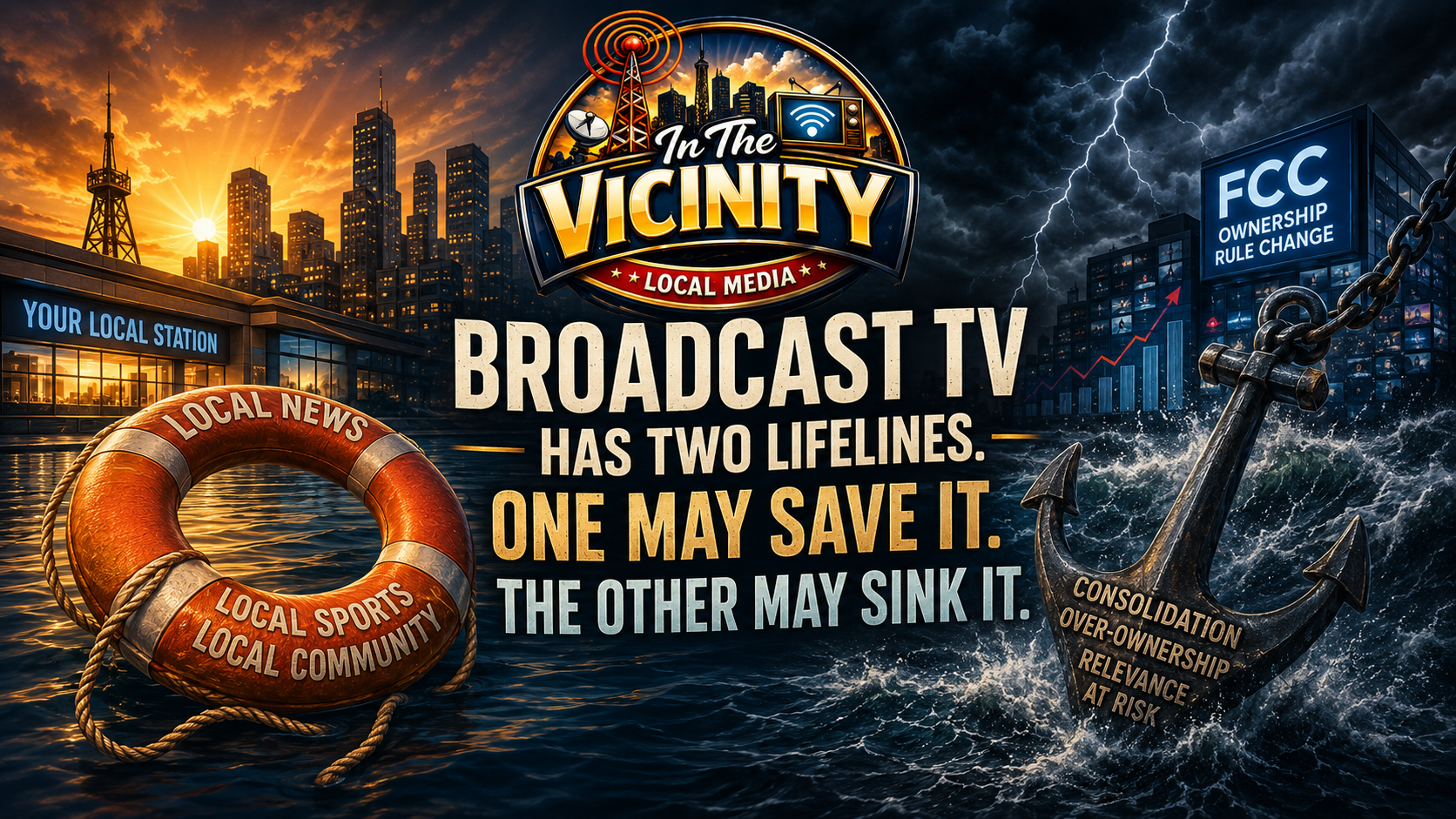
Broadcast TV Has Two Lifelines. One May Save It. The Other May Sink It.
Tim Hanlon goes solo this week on episode 18 of In the Vicinity.

The FCC Chairman’s Localism Paradox
The likely winners of FCC Chairman Carr’s proposed rule change are not the communities he invokes in his rhetoric.

World Cup, Walled Gardens And The Future Of Local Sports Advertising
Madhive's Anthony Campanella joins Tim Hanlon on the latest episode of In the Vicinity.

The Competitive Advantage Local TV Can't Afford To Lose
Broadcasters argue that local television remains America's most important source of local news, and thus deserves greater regulatory flexibility. But maintaining that position requires more than producing local newscasts efficiently - it requires preserving what makes them uniquely trusted in the first place.
Addressable Broadcast TV Is Finally Here. Now Comes The Hard Part.
On the latest episode of In the Vicinity, Tim Hanlon speaks with Hearst‘s John Robertson and Viamedia’s Evan Rutchik about their effort to bring household-level addressable advertising to local broadcast.
The TV OS Is Becoming Local Media's Next Battleground
On the latest episode of In the Vicinity, Tim Hanlon speaks with TVREV's Mike Gasbara.