



The Future Of Television. Dissected Daily.
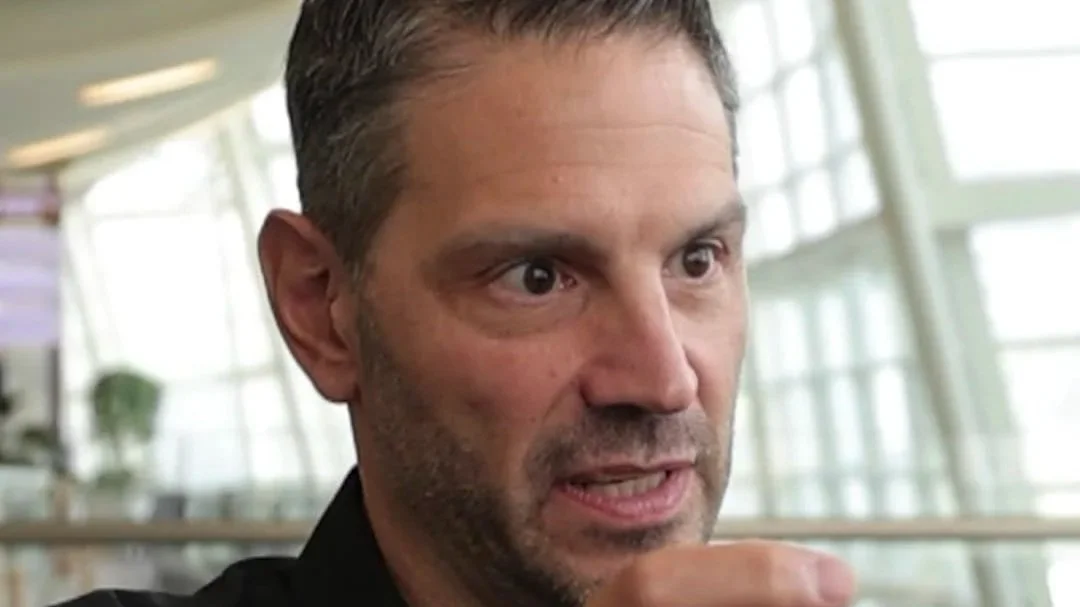
Why Ad-Supported TV Is Having A Moment
Ventura TV OS’ Rob Caruso explains how making the ad experience better for consumers leads to better outcomes for advertisers.
Could AI Undermine YouTube’s Mission To Grab More TV Ad Dollars?
As AI-fueled video floods YouTube, brands chasing efficiency risk alienating consumers — and undermining YouTube’s push to win TV ad dollars.

Netflix's Ad Tier Is Still A Cypher, Linear Takes Another Hit
Netflix is betting heavily on its ad business but details on the audience are notably sketchy. Meanwhile linear TV, like SNL’s Generalissimo Francisco Franco, is till not dead.
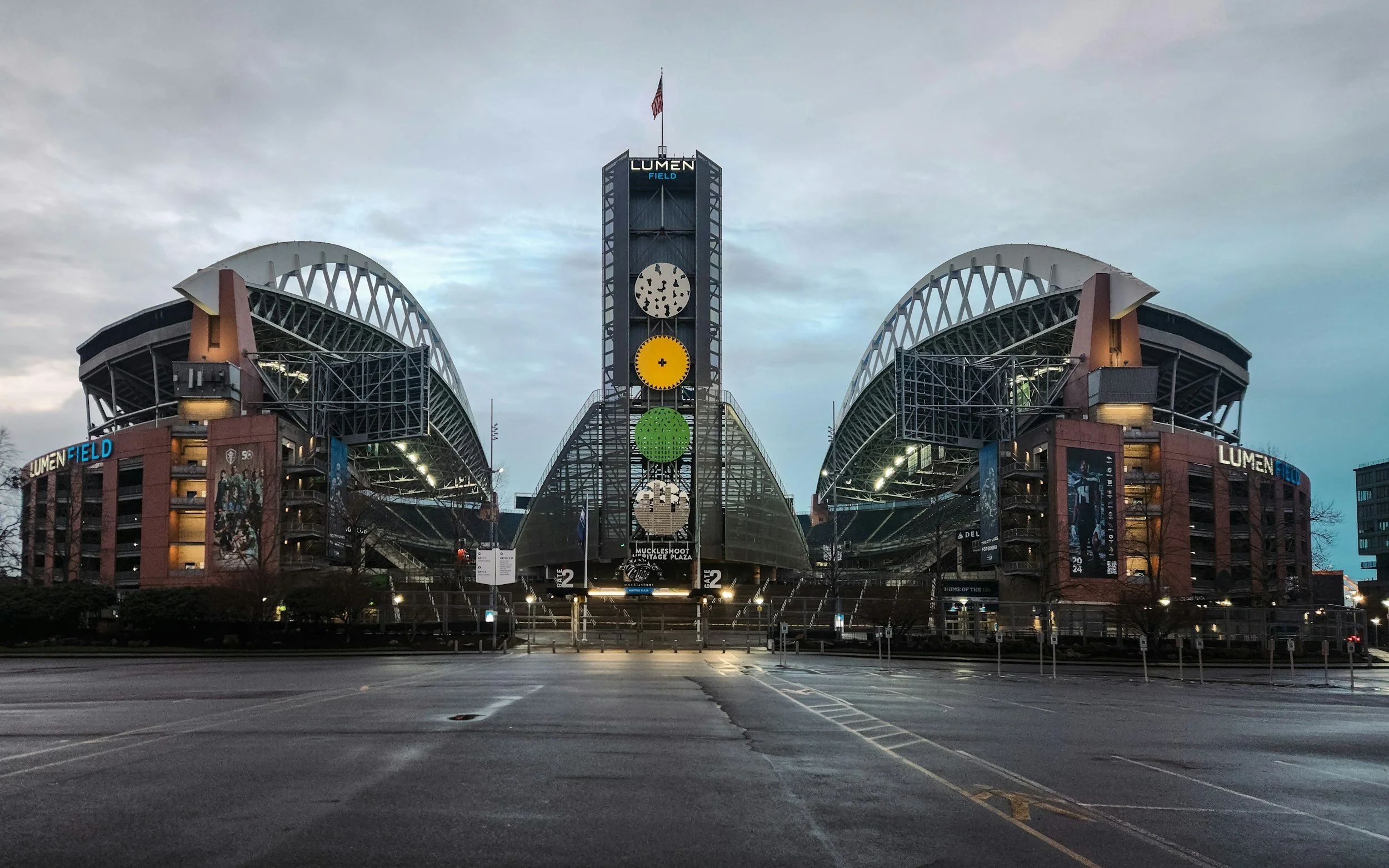
Tube Trends: Has Super Bowl Finally Become ‘Creator Bowl?’
A look at the increasing footprint of creators during the Super Bowl, as the NFL and advertisers invite digital video further into its domain.
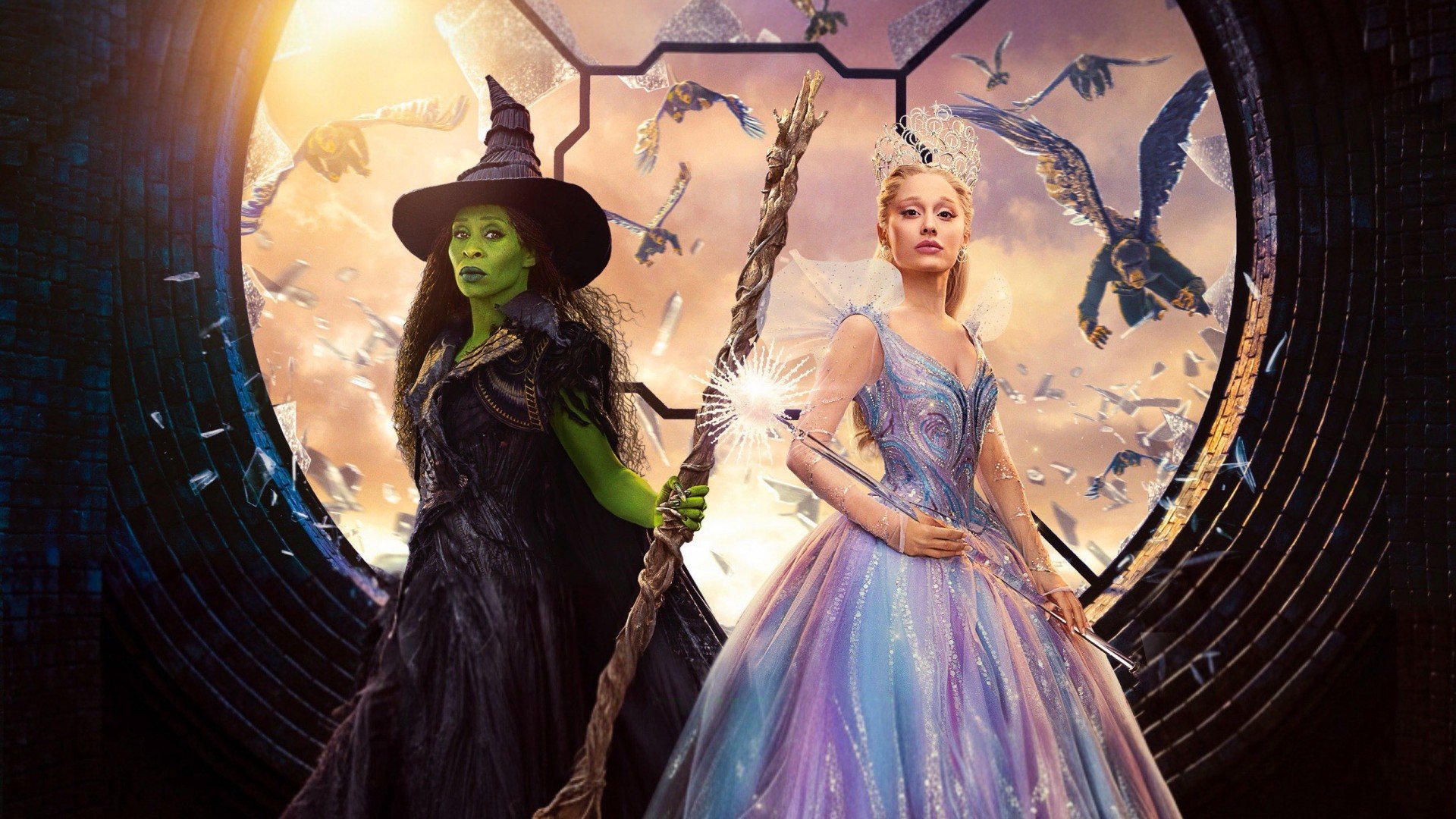
Highly Anticipated, Less Exciting: The Curse Of The Hyped Up Sequel
Hollywood continues to misunderstand the economics of sequels, leaving industry execs scratching their heads over the front-loaded box office.

The ATSC 3.0 Deadline Debate Exposes Broadcasting’s New Fault Lines
The sharp divide — between most large commercial station groups on one side and public broadcasters, multichannel pay-TV providers, and small station owners on the other — reveals a classic regulatory clash: who bears the cost of progress, and who stands to profit from it?
The BBC, YouTube, And The Future Of Television
Should a public service broadcaster, bound by Charter obligations and funded by the licence fee, be producing original content for YouTube?

Hot List: The Cost And Spoils Of Fragmentation
PLUS: Surviving the distraction economy, Alan Wolk’s Week in Review, and eliminating the FCC.

How Do We Survive the Distraction Economy?
Fragmentation is eating away our sense of shared reality. Now what?
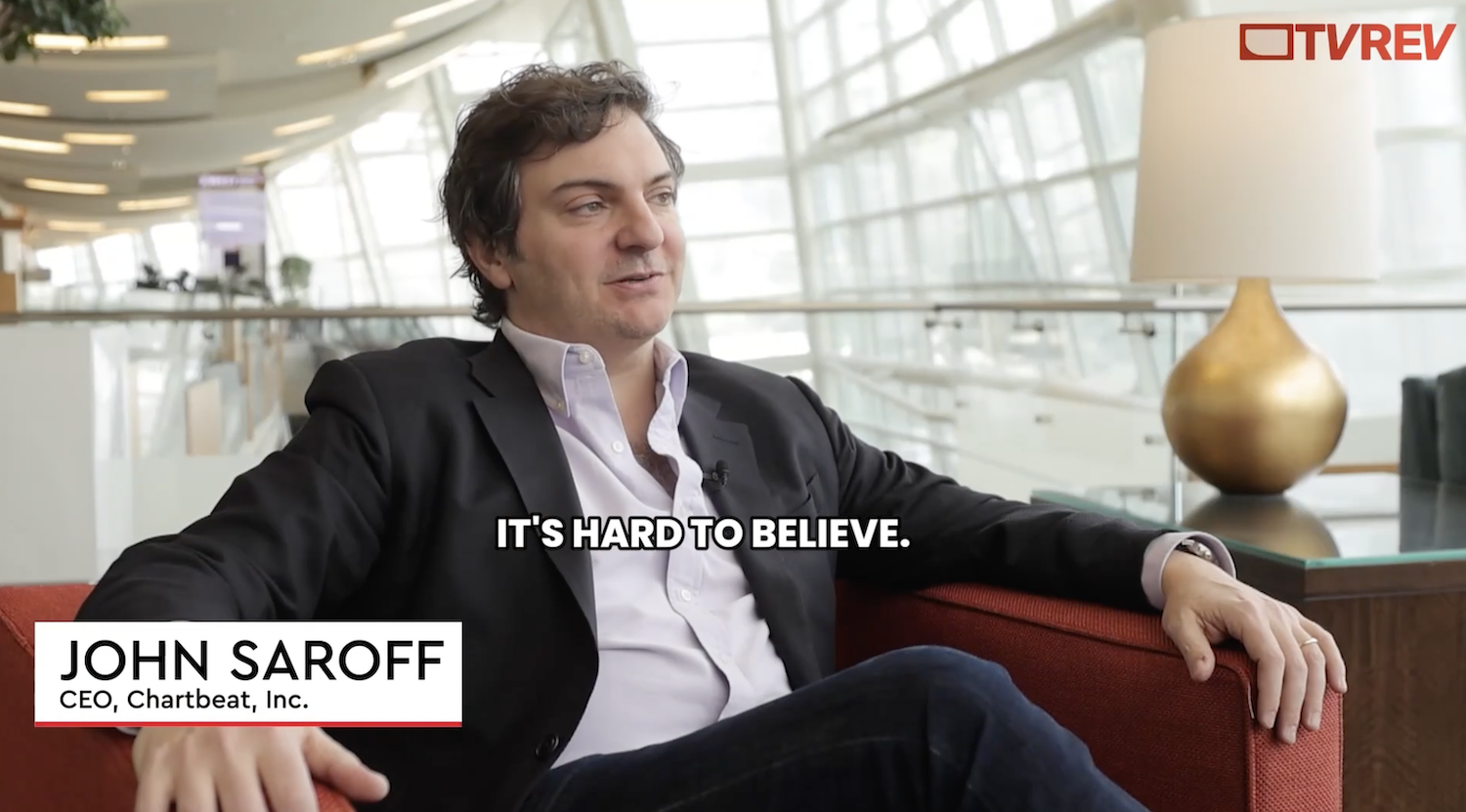
VIDEO: Chartbeat CEO John Saroff On Building A 360-Degree View Of Content
Chartbeat, Inc. CEO John Saroff explains how today’s media companies are using real-time data to understand how their content performs across owned platforms and distributed video ecosystems.
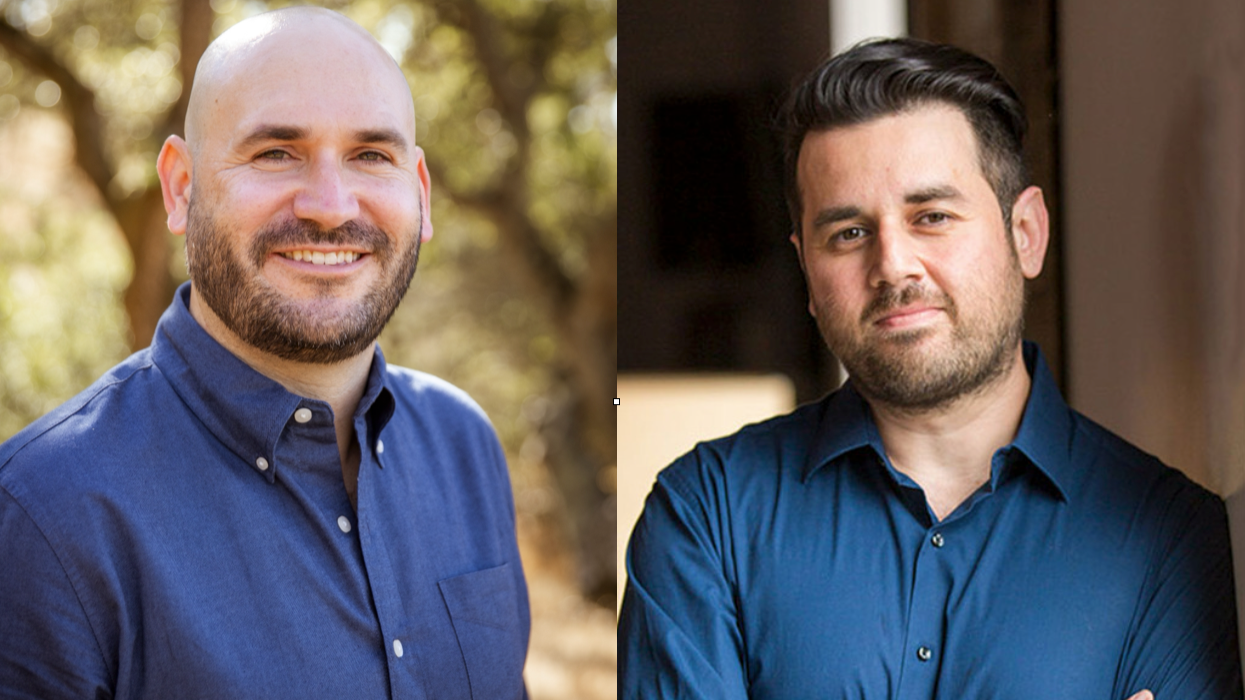
Magnite's Laband and MNTN's Haeri On Bringing New Advertisers To Live TV
Magnite’s Mike Laband and MNTN’s Ali Haeri explain how their new deal will allow more advertisers to take advantage of live events, first-time TV advertisers in particular.

How Heated Rivalry Broke The Algorithm, What The Oscars Tell Us About Feudal Media
HBO’s gay hockey romance proves that the algorithm isn’t omnipotent. This year’s Oscar nominees show how fragmented our media diets have become.

Tube Trends: How A&E Uses YouTube To Appeal To Cordcutters
A&E isn’t shying away from the evolving way audiences are tuning in, embracing YouTube in a way that brings their programming directly to where viewers are.

Eliminating The FCC (And Other Regulatory Fantasies)
Disbanding the FCC would not usher in a neutral, market-driven utopia. It would privatize governance, weaken accountability, and accelerate the erosion of already fragile media institutions.
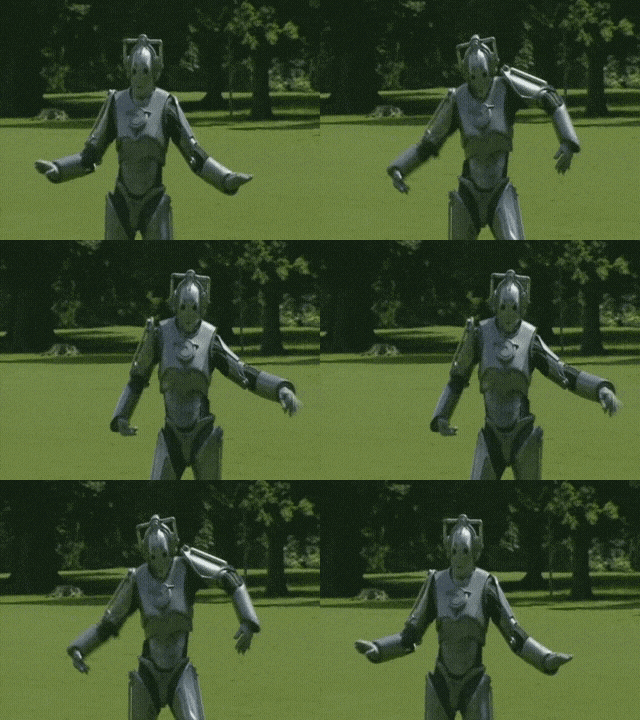
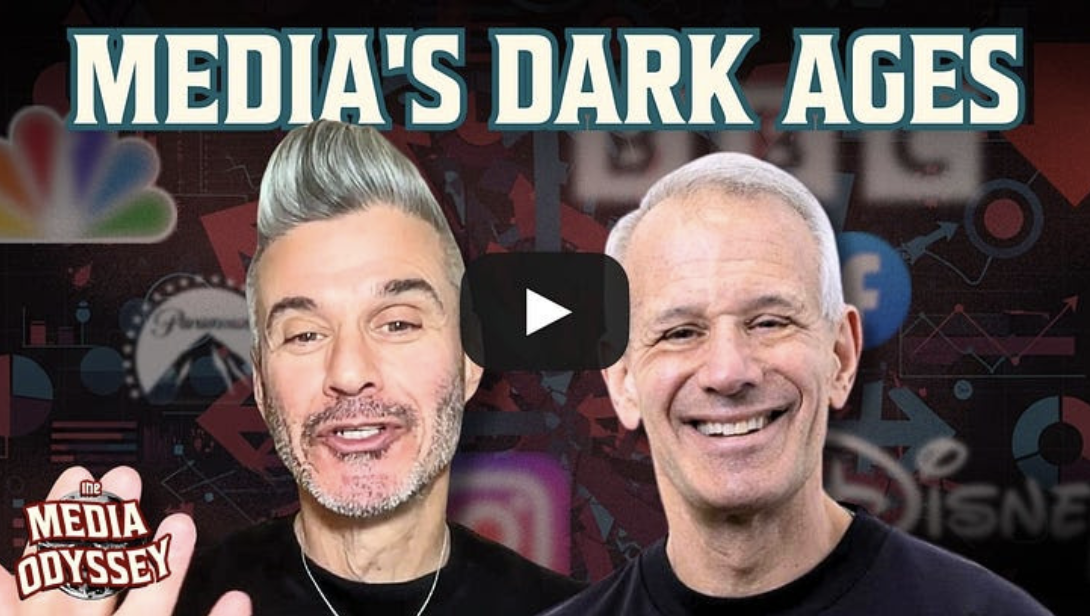
Media Odyssey Pod: It’s Not About Gadgets Anymore—It’s About Control Of The Interface
On a recent episode of The Media Odyssey Podcast, Evan Shapiro and TVREV Co-Founder Alan Wolk unpacked their 2026 predictions and what this moment signals for the future of media, entertainment, and technology.
AI’s Trust And Ouroboros Issues, Fandom Can Be Dangerous
Agentic AI is getting a lot of buzz but there are great big red flags waving. Plus the perils of fandom in the age of Feudal Media

The Quiet Death Of Public Broadcasting’s Backbone
CPB functioned as a national stabilizer — negotiating rights, sharing infrastructure, smoothing disparities between rich and poor markets. Without it, public media begins to resemble the very commercial ecosystem it was designed to counterbalance.
Tube Trends: Disney's Short-Form Focus Puts Spotlight On Owned Video
Disney+ is embracing short-form. But is it really just embracing owned video?
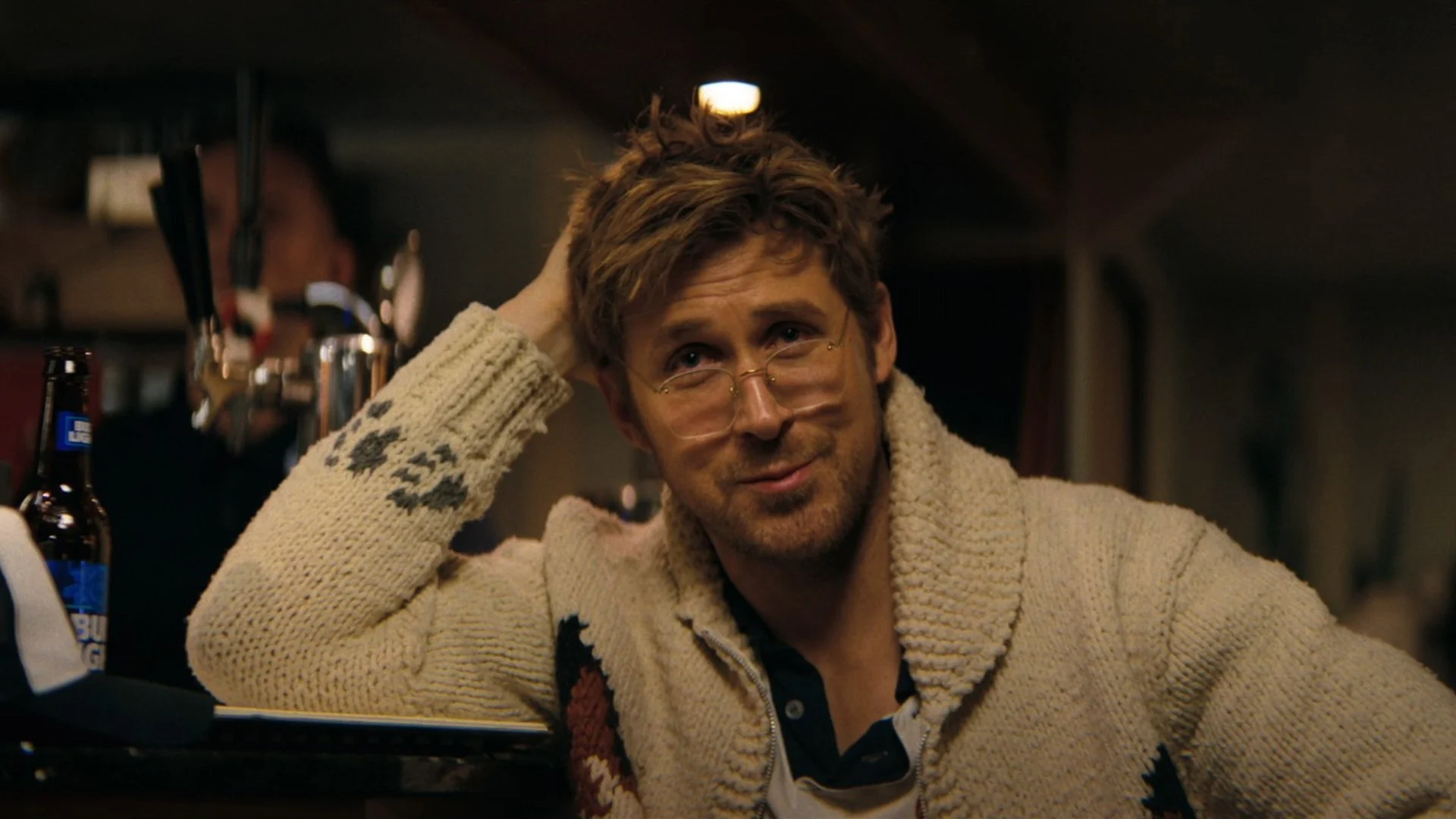
Urgent vs Valuable: What Audience Need In Theaters Or Want At-Home
Not every film needs theatrical urgency to monetize. Audience behavior reveals which genres demand theaters—and which hold value beyond them.