Magnite's Laband and MNTN's Haeri On Bringing New Advertisers To Live TV
Magnite and MNTN just announced a deal that lets MNTN's advertisers—most of whom have never been on TV before—buy into live sports and events for the first time. I sat down with Mike Laband, Group SVP of US Revenue at Magnite, and Ali Haeri, CMO at MNTN, to find out what this actually means for the industry, especially in terms of bringing in a new crop of advertisers.
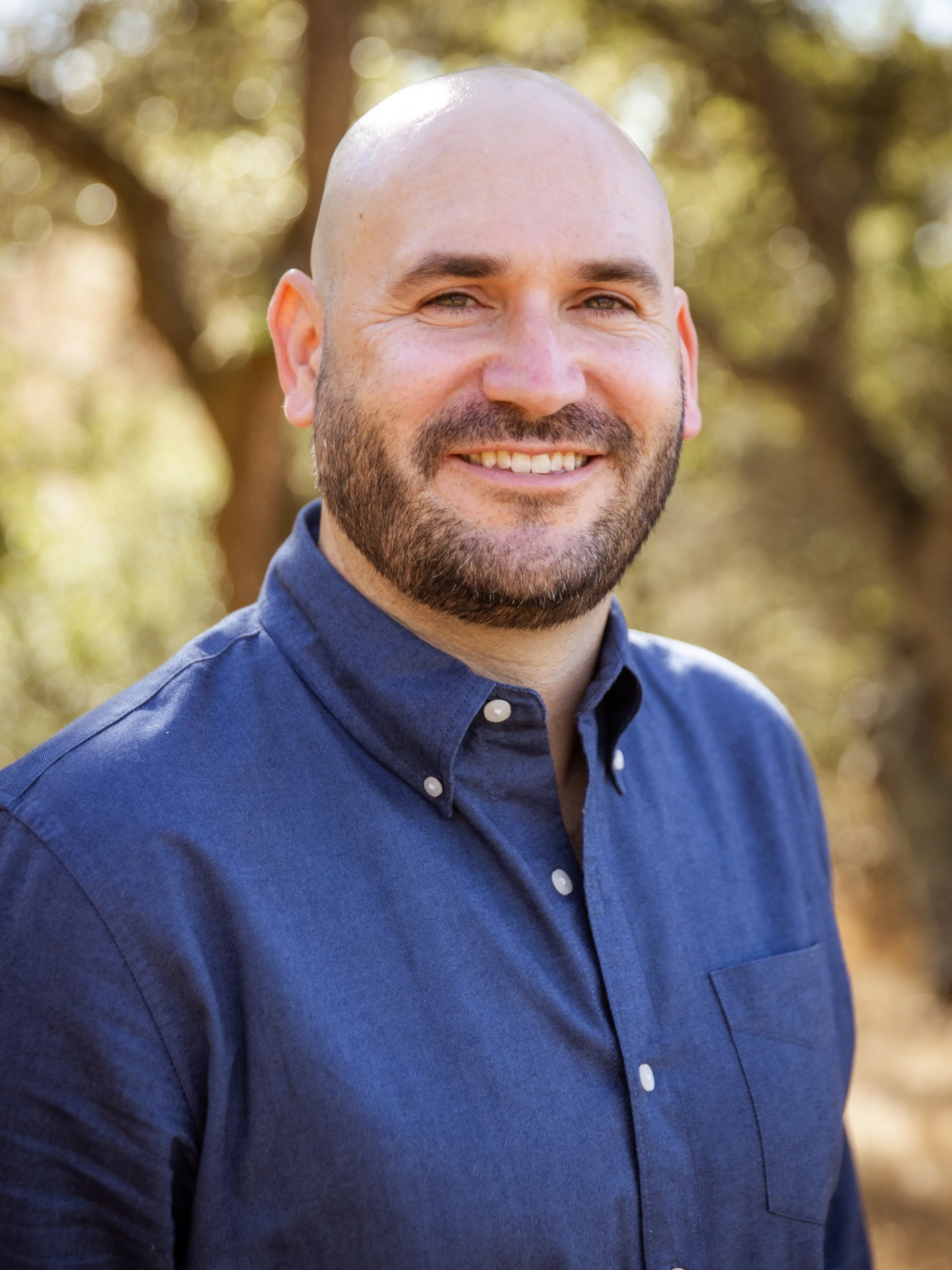
Mike Laband
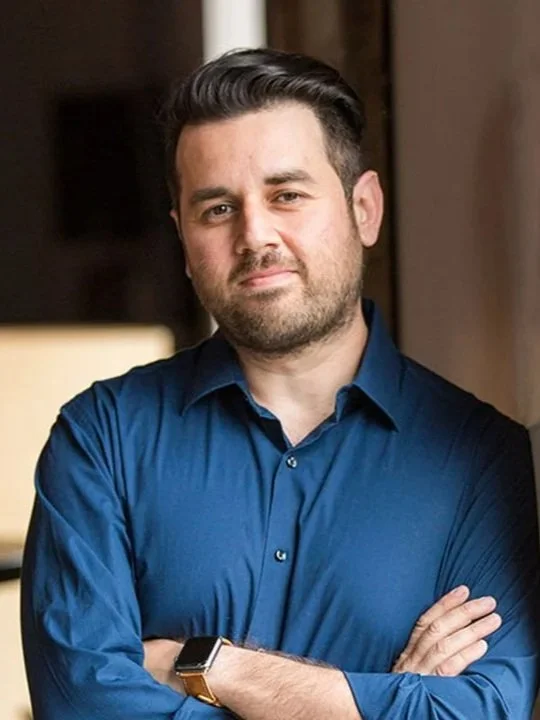
Ali Haeri
ALAN WOLK (AW): What was the impetus for this deal and why did Magnite choose MNTN as their partner?
MIKE LABAND (ML): Magnite and MNTN have an existing relationship and this is an expansion of the partnership. MNTN is growing how advertisers can tap into premium streaming inventory and given Magnite’s extensive streaming supply access, we were their first choice.
AW: What can advertisers do now that they couldn't do before and why is it noteworthy?
ALI HAERIA (AH): MNTN’s new-to-TV advertisers now can access live programming at scale to drive performance outcomes. The partnership with Magnite opens up new supply that will be new for the vast majority of these marketers.
AW: What sorts of advertisers are you hoping to attract and why?
AH: We believe this will attract more first-time TV advertisers who consider live sports as a must-have. Until now, primarily larger advertisers have dominated that sort of programming. We see this as democratizing access.
AW: Live sports have always commanded premium pricing because big brands will pay for the prestige. Will bringing in smaller brands have any impact on pricing and desirability?
ML: Price floors and other rules will still be in effect so we don’t anticipate pricing to materially change with the addition of demand from new advertisers. Advertisers are drawn to the engaging nature of live sports and events which can’t be replicated elsewhere so desirability won’t be impacted. This partnership is about making this inventory, that has been historically difficult for smaller advertisers to access for a variety of reasons, more accessible.
AW: When will this go live—what’s the first big live sporting event it will be active for?
ML: The partnership went live last year and Disney specifically in Q4 2025 across live supply. We have a full slate of live content year-round across the major league sports as well as a variety of highly anticipated live sports moments encompassing motorsports, tennis, golf, and more.
AW: Is this where TV advertising is headed—programmatic buying across all inventory, including live?
ML: While there will likely always be direct buying for some aspects of TV, programmatic buying is going to grow. As the industry across the buy and sell sides continue to adopt OpenRTB 2.6, we'll see more programmatic transactions in premium video buying. In terms of live, programmatic technology and infrastructure can solve some of the unique obstacles presented by live events like difficult-to-predict audience spikes. Magnite has developed specific technology such as Live Stream Acceleration and Live Scheduler to help publishers optimize their inventory programmatically.
AH: It's about servicing MNTN's core customers, the vast majority of whom have never advertised on TV before. These are performance-minded advertisers, many of whom spend on paid search and social to drive lower funnel outcomes. They expect the same sort of results from their TV campaigns.