



The Future Of Television. Dissected Daily.

Five Years To Fix It: Why Canadian TV Can’t Afford Inertia
At Future TV Canada, the message was blunt: Canadian TV has five years to fix itself. Justin Lebbon unpacks why broadcasters must act now.

Amazon Prime Video Is Masters’ Latest Swing At New Audiences
The Masters has added Amazon Prime Video to its list of media partners, yet again opening up new opportunities around the event.
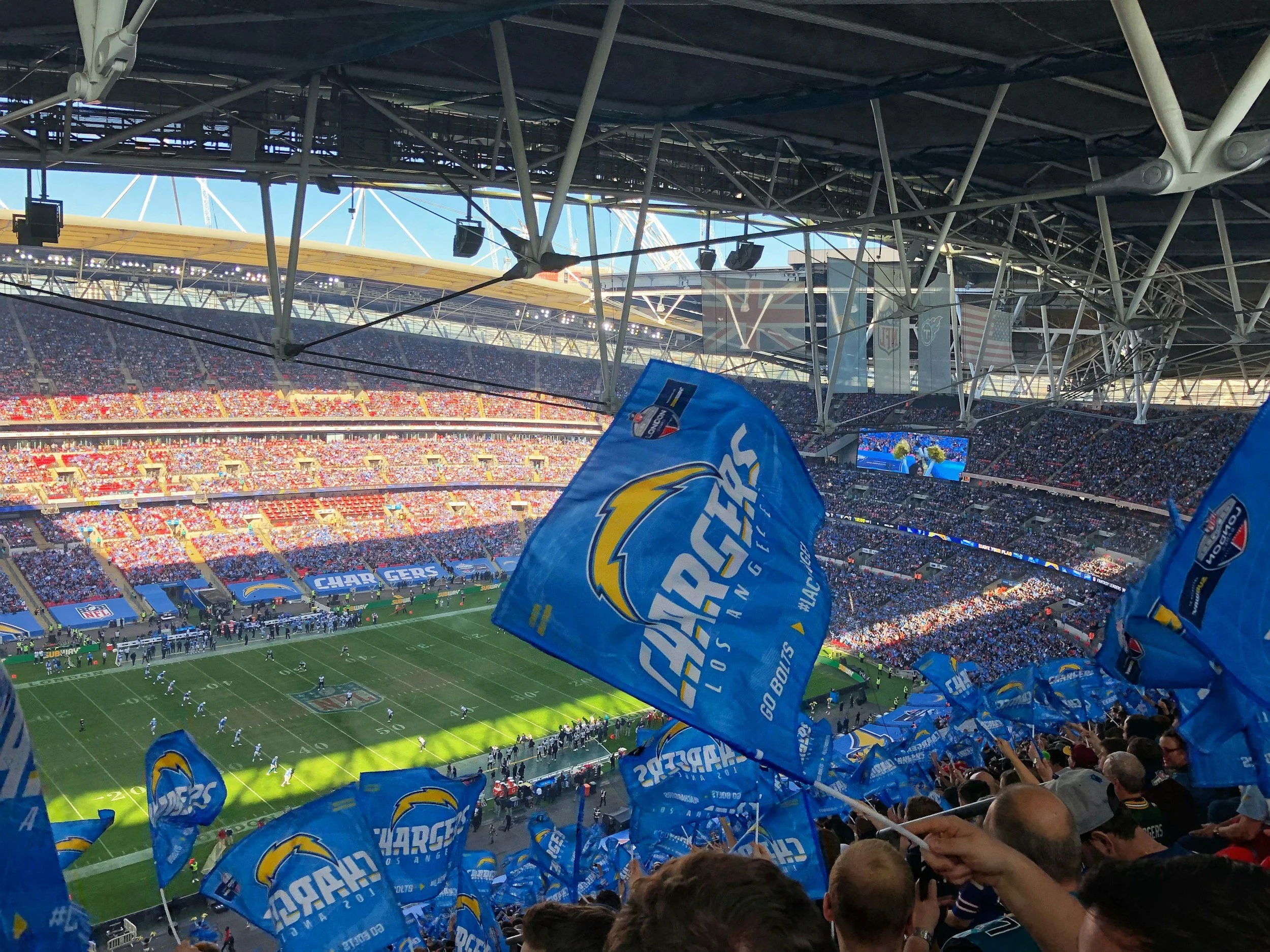
YouTube’s Friday Night NFL Audience Highlights Specific Limitations
Was the NFL’s first free YouTube game a success? That’s tough to nail down, which showcases limitations (and opportunities).

Viewers Crave More Authentic Stories About Work, Family and Caregiving
A study from New America and MarketCast highlights a significant business opportunity for streamers around relatable storytelling.

How MLB, ESPN (Eventually) Break Regional Sports Networks
MLB’s rumored new deal with ESPN could set the stage for the end of the regional sports network era.
Streaming Rebundling Starts Putting TV Back Together
Bundles are returning in earnest now, as sports helps spur a return to centralized programming options for consumers (who have been clamoring for it).

YouTube Viewership Highlights Crossroads For Howard Stern Show
The Howard Stern Show saw declining returns on YouTube, in an environment built from its model. But the program could learn a thing or two from social video as it eyes its next chapter.

Remembering The 2nd Screen Society: The Future We Saw In 2012 Is Finally Here
Back in 2012, the members of the 2nd Screen Society were pushing a future TV based on data from millions of users that fueled everything from targeted ads to better discovery to shoppable TV. They were just a decade too early.

Barb Lifts The Lid On YouTube’s Viewership Reality
The UK's Barb just handed the industry a data-driven way to push back on YouTube’s “we are TV” narrative. Justin Lebbon looks at how this will impact buyer behavior.

ESPN’s Streaming Future Poised To Win With Volume (And Quality)
As ESPN closes in on potential new additions like NFL media and the MLB rights it recently walked away from, its streaming strategy is starting to become clearer.

Life After The Monoculture: How To Survive The Dark Ages Of Media
Alan Wolk delivers a keynote address at Cannes Lions about the confluence between the collapse of the Roman Empire and the death of the monoculture, how to survive our current Dark Ages and what will bring about the next Renaissance.

Maybe ESPN And MLB Just Needed A Break?
After months of talk around what ESPN and MLB’s split meant for everyone… the two may wind up back together in a way that benefits both parties.
RTL Grows Up - And Buys The Playground
Christian Knaebel breaks down why the RTL / Sky DACH merger is the European hero story we have all been waiting for in his latest Marconi article.

Does Content Overlap Matter In Streaming Bundle Era?
While Disney+ tries to avoid crashing its fandom content into each other, those shows can collide with major Hulu programs — something that becomes more apparent when it’s all under one roof. But should that matter anymore?

NFL TV Draft: Which Games Will Draw The Biggest Audience In 2025?
Which NFL games are likely to draw the biggest TV audiences this season? We took a swing at the games that have network and streaming partners (and TV viewers) excited.

Could Animation Be Superhero Content’s Best Liferaft?
Recent box office concerns for superhero movies may yield a new streaming/TV approach centered around animation instead.

Setting HBO Up For Success: The WBD Split Story
The WBD split seems to mostly be about making HBO look attractive to potential suitors. Alan Wolk explains why.

Speedvision FAST Channel Vrooms Onto Vizio Smart TVs
Auto-focused channel is steering into demand for sports-adjacent content.

Big Subscription Streaming Services Offering 5% More Content
Netflix and sports show biggest increases, according to Gracenote report

What Disney+ Adds With Cocomelon Licensing Deal
Disney+ adding Cocomelon is a smart move to bring in potential new viewers. But it could also work to flatten kids programming options in a way that erodes Disney’s advantage.