As Advertisers Chase Outcomes, Smart TV OEMs Gain Ground
With Upfronts negotiations underway, smart TV OEMs are emerging as a rapidly growing player in the advertising ecosystem.
iSpot surveyed over 200 marketing professionals from brands and agencies to explore how advertising strategies are evolving in an era of AI and fragmentation. A major insight? Business outcomes are now the top priority for media buyers, with 45.5% of marketers saying outcomes are the most critical factor when negotiating ad deals.
The shift reflects how TV is increasingly being treated like a performance channel, and it’s helping fuel a notable acceleration in OEM advertising. In fact, iSpot found that ad buying through smart TV OEMs jumped from 25% in 2025 to 55% in 2026 among respondents, signaling a shift in where advertisers see value.
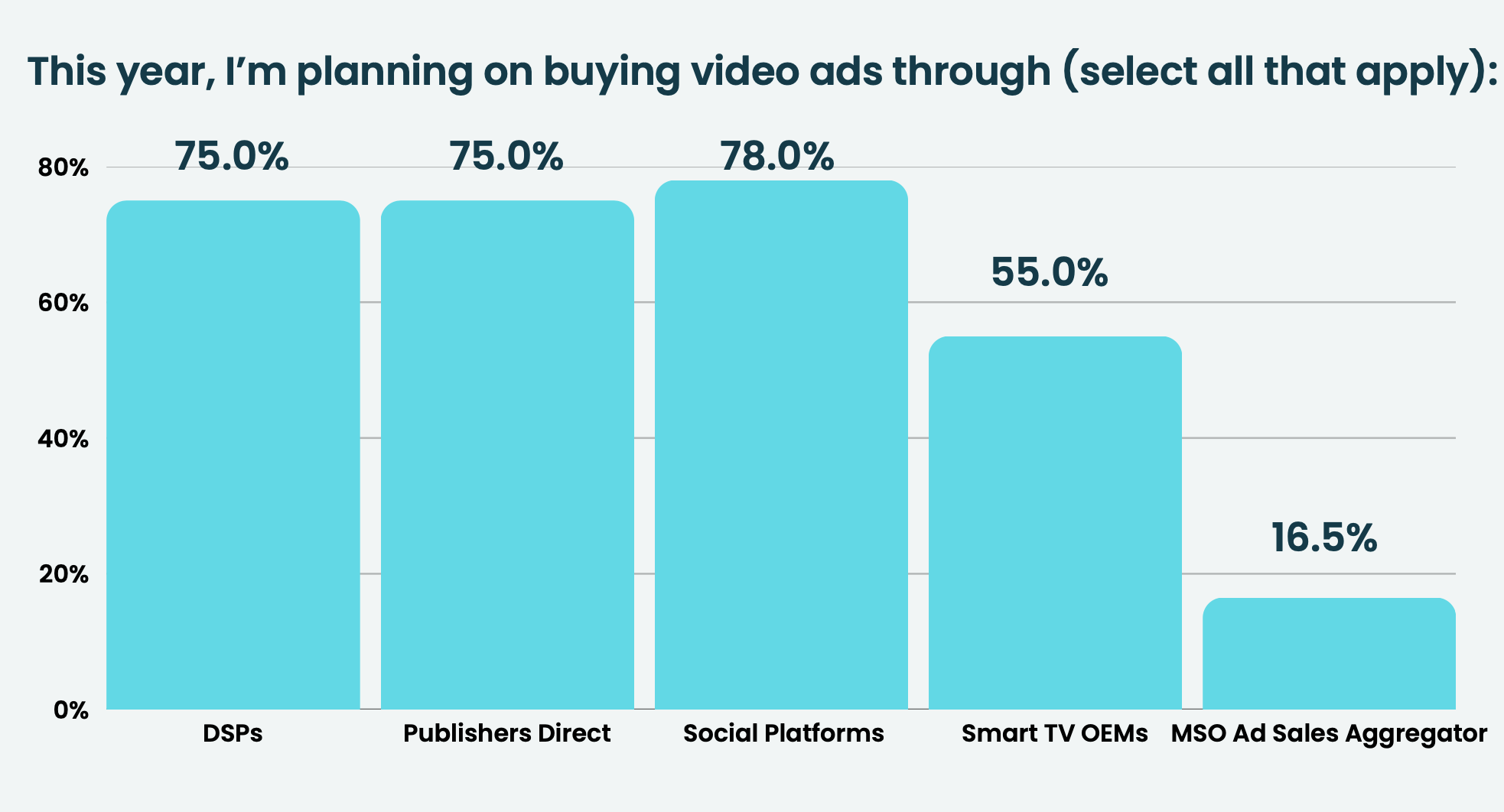
From iSpot’s 2026 TV and Video Ad Spend & Strategy Report
As The Trade Desk’s Ed Lee recently put it, “What matters most now is not how many screens are in the market, but what happens the moment those screens turn on. Control over the home screen, content discovery and early advertising exposure is determining how television is monetized and who participates in the value it creates.”
This growing influence is turning OEMs into far more than hardware manufacturers — their operating systems and home screens (specifically) are now the gatekeepers for TV/streaming discovery as well as advertising, giving brands direct access to audiences before they even open an app. And not only that, the OEMs are also building the pipes to connect those ad exposures back to actual outcomes.
For example, Samsung and LG are forging partnerships with identity partners, retail media networks and buying platforms. The TV OS wars are even attracting the likes of Walmart, which bought VIZIO in part to help expand its advertising business into the living room through VIZIO’s OS, with VIZIO experiencing “triple-digit growth in advertising” during Q4, while the companies continue building tighter integrations between connected TV ads and Walmart’s commerce ecosystem.
And zooming out: Walmart's acquisition changed the dynamics of the entire landscape, with third-party analysts at Omdia projecting VIZIO could become the No. 1 TV operating system by unit sales in the U.S. by 2027, further strengthening its position in the connected TV ad market.
For advertisers, the appeal is straightforward: OEM platforms offer premium living-room visibility, first-party data and increasingly measurable outcomes — all in one place. As streaming fragmentation continues and marketers seek to prove the value of ad investments, smart TV manufacturers are evolving into some of the most influential players in the modern TV ad ecosystem.