LG Ad Solutions’ Kelly McMahon On Why The Real Value Of FAST Is In The Data
In the second of our Innovator Spotlight interviews from our new Special Report, “All Grown Up: FAST Comes Of Age”, we sat down with LG Ad Solutions’ Kelly McMahon to talk about why owning the glass changes everything, from home screen discovery to cross-platform frequency management, and what advertisers are missing if they're not paying close attention to FAST. Check it out and download the free report.
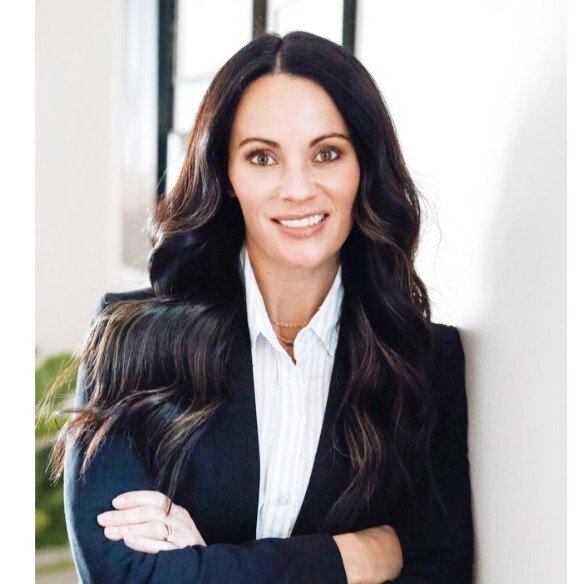
"For us, the real story around FAST is the audience: who’s watching, how they move across platforms, and how we use that data to drive actual performance for advertisers,” says Kelly McMahon, EVP Global Operations at LG Ad Solutions.
ALAN WOLK (AW): From your standpoint, what is the real value of FAST to advertisers?
KELLY MCMAHON (KM): FAST has become one of the fastest-growing areas of TV viewership because it fills a real consumer need: free, easy-to-access content. People are turning to FAST not just for bingeable library series and VOD titles, but increasingly for staples like local news—content they might’ve lost when they cut the cord. That relevance is what continues to pull audiences in.
For advertisers, the value goes well beyond the content itself. As the OEM, we can see how viewers move across the entire TV experience and the overlap between linear and FAST viewing behaviors. That intelligence makes FAST a powerful environment for building incremental reach, managing frequency, and extending linear campaigns into CTV with real precision.
Whether an advertiser wants pure incremental reach by suppressing their linear viewers or wants to optimize KPIs across the full TV journey, FAST gives them the ability to do it. The audience growth is undeniable—but it’s the data and insight behind that viewing that make FAST an environment advertisers should be paying very close attention to.
AW: How does controlling the entire ecosystem — the OS, the home screen, and the channels — change the experience you’re able to offer viewers?
KM: When you own the glass, you’re not just powering the TV experience — you’re shaping how it evolves. We see how consumer behavior is shifting: how people navigate, what they prioritize, and how FAST channels have become a meaningful destination for all types of viewers. That perspective allows us to design an experience that feels intuitive, relevant, and personalized from the moment the TV turns on.
The home screen is the anchor of that journey. It's where discovery starts and where we can guide viewers seamlessly into content that reflects their interests — whether that's bingeable library series, local news, or themed hubs around major moments. And because we understand how viewers move across linear, apps, and FAST, we can elevate the right content at the right time.
For advertisers, being present in the ecosystem unlocks capabilities you simply can’t get elsewhere. We can manage frequency holistically across environments, build true incremental reach, and ensure that ads align with the viewer’s interests. When we pair home screen placements with CTV video, each informs the other, creating a more connected and efficient path to impact.
Ultimately, owning the glass lets us rethink TV as one continuous, coordinated experience and that’s what makes it such a powerful place for brands to connect.
AW: Given the range of options viewers have on TV these days, where does FAST fit into the home screen experience?
KM: The home screen is the content-discovery mindset. When someone turns on the TV, that’s the moment when they’re open to trying something new. Being front and center there is a huge win, especially for endemic advertisers.
It’s not about choosing between subscription CTV and FAST — it’s almost always both. A viewer might binge a premium series in one app but turn to FAST for local news or comfort-content. Data should drive how those pieces work together.
And the home screen is essential because you can reach cord-nevers and light-linear viewers right at turn-on, then move them into either your app or the FAST environment.
AW: As an OEM, how are you thinking about advertising on the home screen and what a good user experience looks like?
KM: The user experience is absolutely paramount for us. When someone turns on their TV, that moment should feel premium, intentional, and useful—not overwhelming. Early on, we limited the home screen to endemic advertisers because it allowed the experience to feel native to the TV ecosystem. It wasn’t “advertising” in the traditional sense; it felt like part of content discovery.
As we expanded to non-endemic advertisers, the bar became even higher. Everything centers on creative quality, relevance, and respect for the environment. That means no intrusive formats, no auto-play sound, and strong data and ACR-driven relevance so the ad actually matters to the person seeing it.
Consumers respond to ads that feel thoughtful, visually elevated, and aligned with what they care about. Our job is to preserve that balance while enhancing the experience, not disrupting it.
The exciting part is that the home screen is becoming one of the most valuable destinations in advertising. It’s the front door to the entire TV experience, and when done right, it creates a powerful moment of connection for both viewers and brands.
AW: Transparency, or the lack thereof, on FAST, remains a big issue for advertisers. What can the industry do to address that?
KM: Programmatic transparency is hard because what goes into a bid request isn’t standardized — genres, metadata fields, identifiers all differ. The industry knows this.
At LG Ads, we are supporting universal content identifiers like the Gracenote TMS ID, which ties a piece of content to a single ID no matter where it’s served.We also have a product that we call ContexTV, which transitions advertisers from asking for specific shows to being able to ask things like,“Put me in scenes with puppies.” Contextual intelligence delivers transparency without needing show-level logs.
AW: What differences are you seeing between the U.S. and European markets when it comes to FAST?
KM: A lot of international markets were dominated by a few big broadcasters, and TV was basically free. They didn’t have the U.S. experience of cutting an expensive cable bill and replacing it with streaming. So adoption is growing, but it’s a different curve.
In the U.S., people seek it out because they’re looking for free alternatives to subscription services. Overseas, it’s more about visibility inside an ecosystem where free TV was already the norm.