What VIZIO’s Holiday Viewership Data Is Telling Advertisers About The Evolution Of Streaming
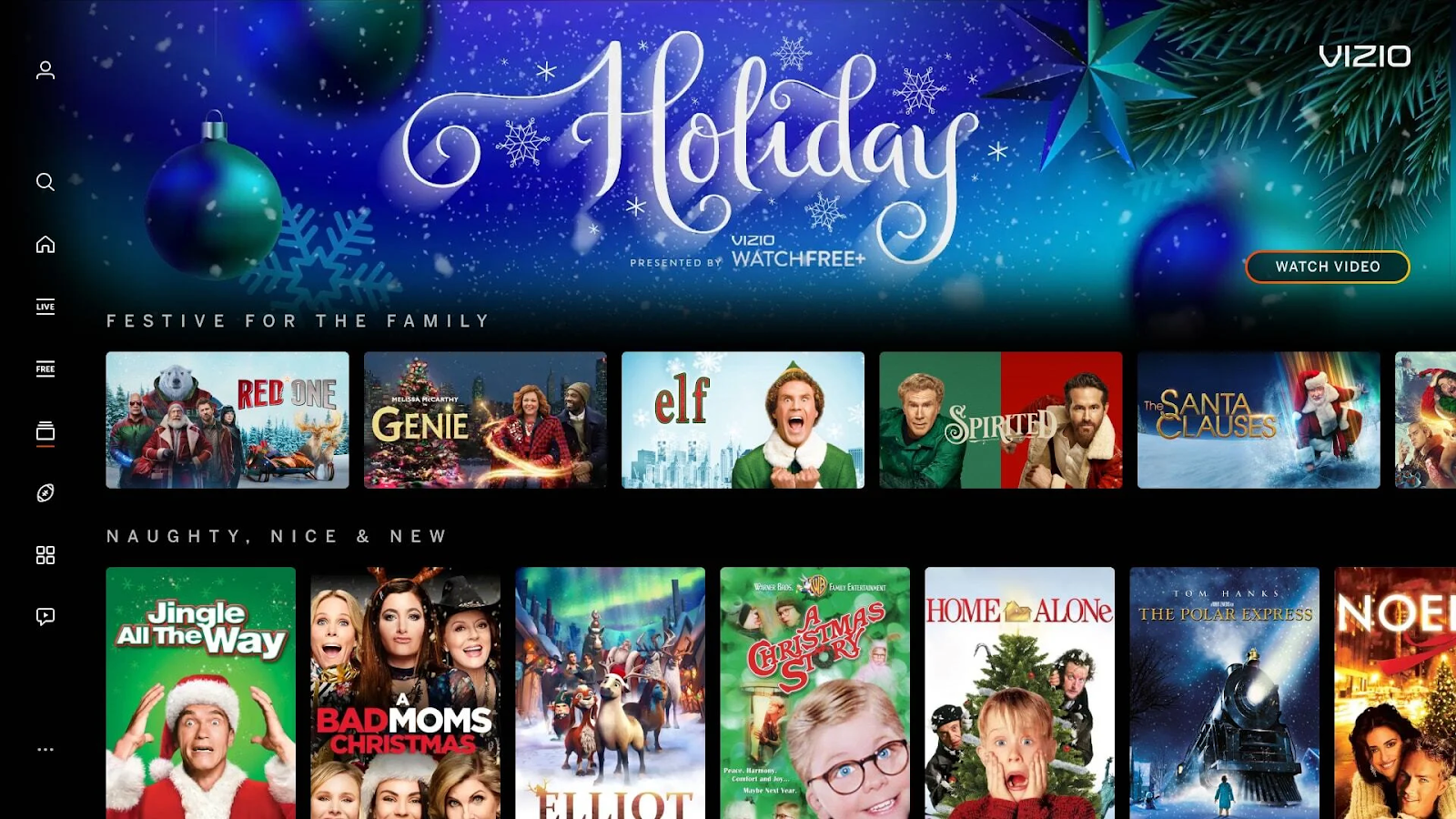
The holiday season has always been one of the most valuable windows for consumer engagement, with holiday TV content well established as a powerful channel to reach viewers. What’s changing is how.
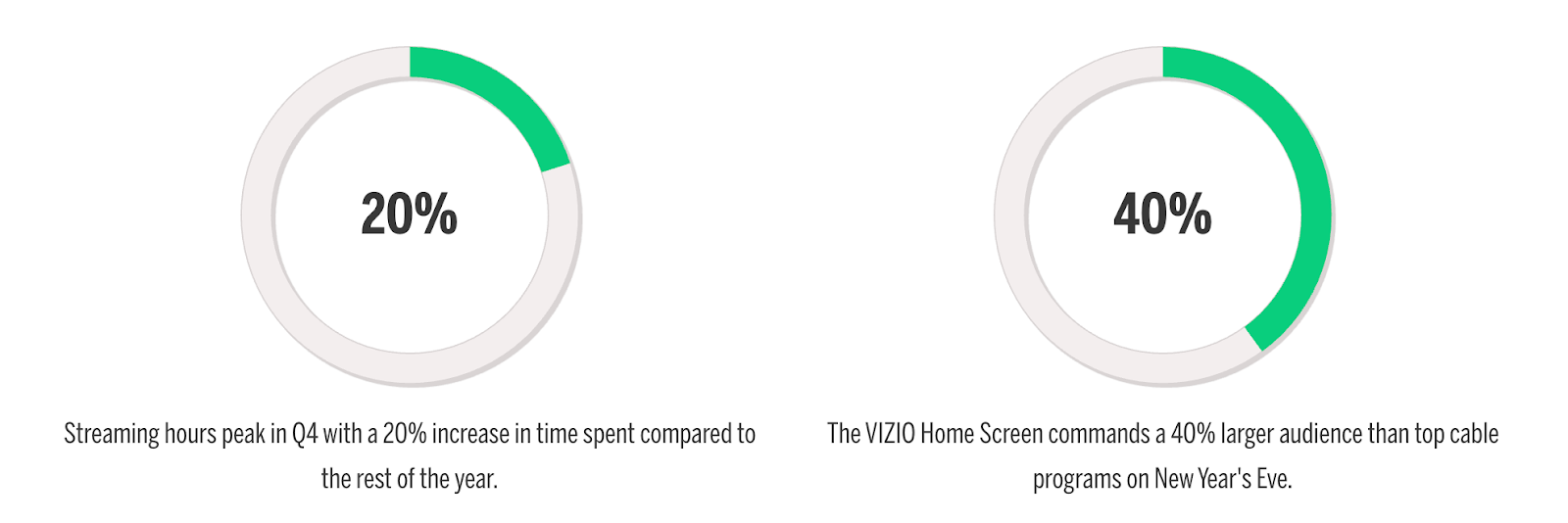
An examination of viewership data from VIZIO shows a clear migration to streaming platforms during the holidays, as viewers turn to on-demand platforms to get their fix of both new and nostalgic titles. For instance, VIZIO observed a notable rise in seasonal viewing patterns as streaming hours on VIZIO devices spiked by roughly 20% in Q4 of last year compared with the rest of the year.
VIZIO isn’t the only one highlighting these trends. According to Nielsen’s The Gauge, 43.3% of all December TV watching was done via streaming rather than live TV. Luminate observed that by early November, half of the top-trending titles across major streaming apps were already holiday-related. VIZIO’s December data showed an additional surge, with overall streaming time increasing by 18%.
Even year-end rituals have migrated toward connected screens. On New Year’s Eve, VIZIO’s Home Screen attracted an audience roughly 40% larger than top cable programs last year, underscoring how the TV’s entry interface—not just the apps—has become a critical destination for holiday discovery.
Four Lessons Marketers Can Take From Holiday Viewing Trends
These seasonal behavioral dynamics help marketers looking to get ahead during the holidays, any holiday, on several levels.
First, the Smart TV Home Screen has become a central gateway for holiday discovery. As streaming libraries expand and viewers grow more accustomed to using the platform interface rather than diving directly into apps, the entry screen commands disproportionate attention during peak seasonal moments.
Second, curated seasonal hubs—whether centered on holiday movies, sports events, family comfort programming, or special event coverage—can shape how viewers browse and ultimately choose what to watch. These environments cluster high-intent audiences in ways that are different from standard genre navigation.
Third, genre-based behavior historically ramps up earlier than traditional planning cycles anticipate, with consumption patterns that begin weeks before typical holiday campaign timing.
Finally, viewers who enter through seasonal programming tend to stay longer. In certain curated channels and environments, VIZIO observed time-spent increases of up to two and a half times, suggesting that thematic packages create a deeper engagement pathway through the season.
The Takeaway: Holiday Campaigns Are Progressive Efforts, Not One-and-Done Moments
VIZIO points to specific campaigns from Q4 2024 that show how early engagement and context-driven placements can translate into measurable outcomes. For instance, the company worked with a national beverage brand that used holiday-themed programming environments to connect with viewers who had already tuned out of linear television.
When combined with VIZIO viewership insights, VIZIO says the campaign helped deliver an 87% increase in incremental reach and a more than fivefold increase in total reach relative to the brand’s linear buy. That lift signals streaming is becoming the centerpiece of holiday media plans, not just an add-on.
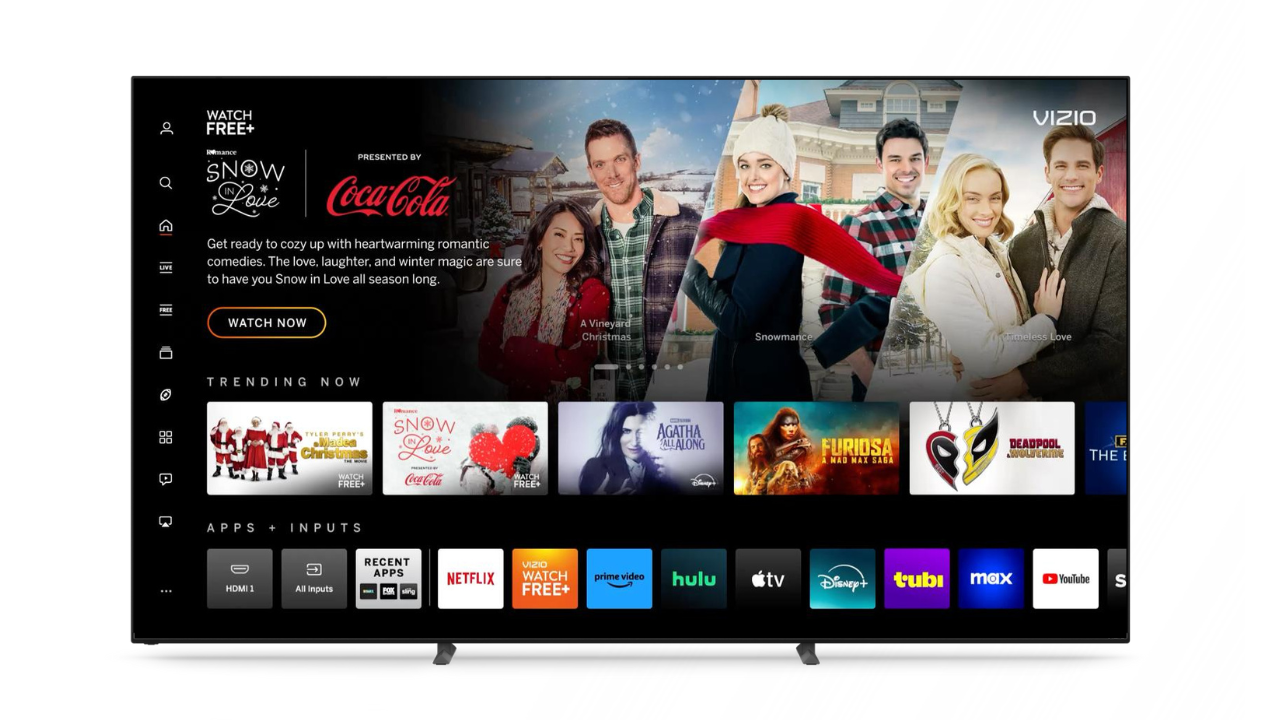
The primary takeaway from this data is that holiday campaigns are far more than just an end-of-year shopping moment. Instead, they’re more of an ongoing progression resembling a hundred-day journey characterized by earlier discovery, higher time spent, shifting platform behaviors, and fragmented viewer paths. Traditional two-week or three-week holiday flights no longer match how audiences actually behave.
For marketers, that means expanding your planning windows and accounting for seasonal context in creative placements so that both are optimized when (and where) discovery begins.
With new holidays on the near-calendar in the new year as well, understanding how—and when—viewers engage with seasonal content may ultimately be just as important as understanding what they watch.
Disclaimer: The information and results presented are not guarantees of the future performance and are subject to factors which are beyond control and may cause actual results to differ from expectations.