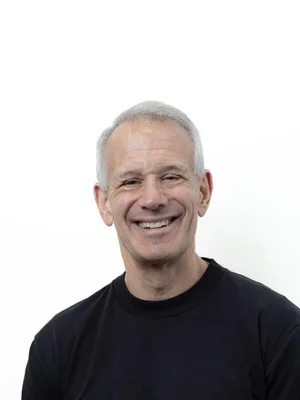
TriCoast’s Nick Risher On How A Film Distributor Accidentally Became An Ad Tech Company
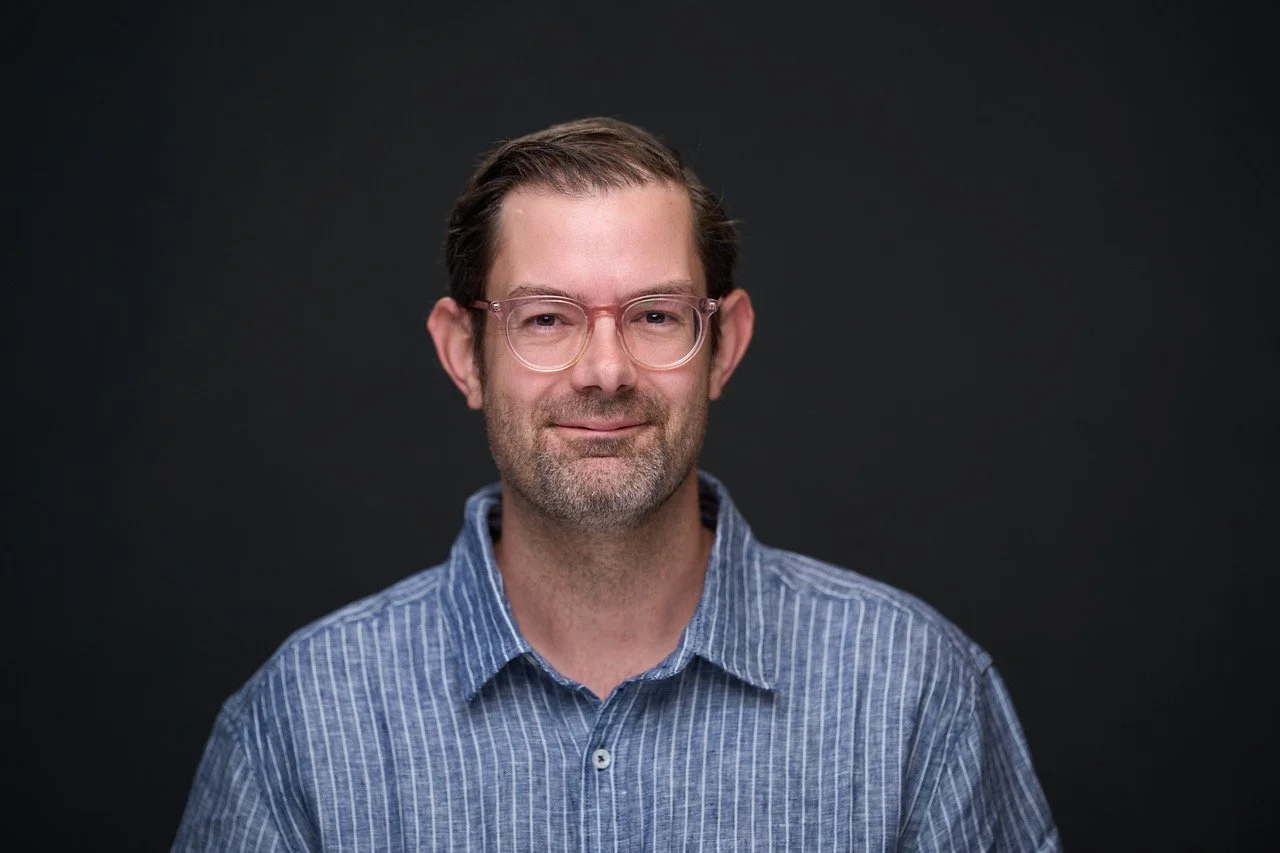
“We didn’t set out to build an ad tech company — we just wanted to sell our own movies better. But once you start optimizing inventory and filling demand for other publishers, you realize you’ve become one.”
We sat down with Nick Risher, CEO of TriCoast Media, to talk about how a family-run genre distributor evolved into a hybrid entertainment and ad tech company — and why its Dark Matter Film Festival is the next logical step.
ALAN WOLK (AW): Let’s start from the beginning. TriCoast has been around for a while, but your evolution into ad tech wasn’t exactly planned. How did it happen?
NICK RISHER (NR): We started back in 1987 as TriCoast Worldwide, a foreign sales company selling action, horror, and sci-fi films internationally. In the 2000s, we launched TriCoast Entertainment to distribute films domestically — first to theaters, then to iTunes and Google.
Over time, we built up a library of about 5,000 titles, and about 90% of our revenue now comes from AVOD. We sell to everyone — Vizio, Samsung, Pluto, Tubi, Roku.
Eventually, we created TriCoast TV to launch our own FAST channels. The biggest is Dark Matter TV, which became a top-tier genre channel. That’s really when the ad tech side started to grow.
AW: Tell me about your transition to an ad tech platform. What was the “aha moment” that made you realize TriCoast could do more than just distribute content?
NR: When we started distributing our films through FAST, we assumed revenue share would be the way to go. But even with solid viewership, the ad impressions didn’t add up fast enough. So we pivoted to inventory share and started selling ads directly.
Sponsors wanted scale — 30 million impressions, not 3 million — so we went back to our partners to see if we could help fill their unsold inventory too. Before long, we were connecting publishers, SSPs, DSPs, and agencies. That’s when TriCoast Media was born — essentially a mini ad network that grew out of our publishing business.
AW: How do you position yourselves when you’re talking to buyers and partners who are used to dealing with much bigger ad tech players?
NR: The big difference is that we’re publisher-first. We own content, which means we’re negotiating from a different place. Larger SSPs can command higher CPMs, but we can offer better rates because we’re both the publisher and the ad tech layer.
We’re also working with a data company called Subjective — they came out of Tubi and Fox — to enrich metadata in the bid stream. That lets us add audience and contextual layers without needing another middleman.
AW: You’ve used the phrase “compressing the supply chain.” What does that mean in practical terms?
NR: Basically, we act as both the SSP and the DSP. That eliminates the 30% margins that get taken out between the agency and the publisher. We connect them directly, which means lower prices for buyers and better yield for sellers.
AW: How do you maintain quality and scale when you’re bypassing some of the traditional intermediaries?
NR: We work with Human for IVT protection — that’s invalid traffic — and we maintain brand safety and verification just like any major exchange would. We still connect programmatically where it makes sense, but we don’t think you always need both an SSP and a DSP to buy premium CTV inventory.
AW: What makes your model different from other companies operating in the FAST and AVOD ecosystem?
NR: There are other players doing similar things, but they’re not leveraging their content libraries the way we do. Because we built everything around our films, we can trade content for better CPMs and create curated, genre-specific packages that perform well for advertisers.
AW: Why launch a live event like the Dark Matter Film Festival? What’s the strategy behind connecting your FAST channel to an in-person experience?
NR: Dark Matter TV gets around 30 million impressions a month, so October is a key moment for us. Instead of just buying home-screen placements for Halloween, we wanted something physical that deepened the connection with fans and partners while giving new films a spotlight. We had more than 200 features and shorts submitted, and one of the prizes is a $10,000 acquisition deal from us.
We’re also hosting screenings like In the Mouth of Madness with cast members and Freddy’s Dead: The Final Nightmare with Robert Englund and several of the directors. Warner Bros. is helping promote it. The festival promotes Dark Matter TV and, by extension, the broader TriCoast business—but it also reflects what built the company in the first place: a love of genre storytelling.
AW: Do you think you’ve found a model others might follow?
NR: Maybe, but it’s not easy. You need content, distribution, and ad tech expertise under one roof. We’re in a unique position because we grew from the creative side outward. But as SSPs and DSPs merge, I think we’ll see more companies buying media assets or forming hybrid models. The walls are coming down between content and tech.