Netflix Wins A Terrible Fight.
There is a funny thing about supply and demand. While it underpins the laws of economics, it is not a reliable indicator of quality.
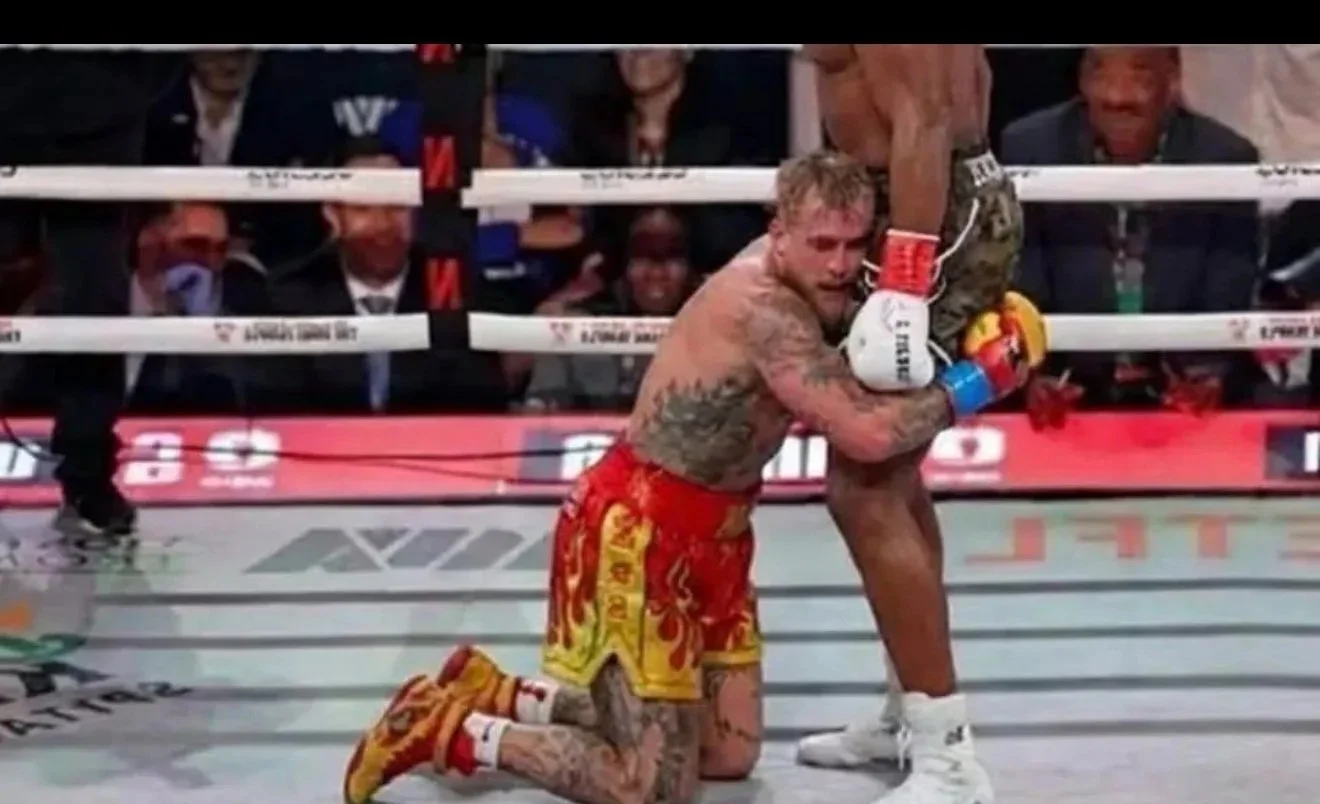
The Jake Paul fight on Netflix is a great example. It was a terrible display of boxing by all counts. But for Netflix, it was part of a winning strategy.
Because the fight itself was never really the point. Netflix didn’t need a classic bout. It needed attention, conversation, and a shared moment that pulled millions into the app at the same time.
The goal was to reinforce the idea that Netflix is a place where things happen, not just a library you dip into alone.
That fits a broader shift in Netflix’s strategy. It’s no longer just distributing content — it’s investing in consumer experiences. Live events, games, and interactive formats are designed to create an emotional relationship with viewers, where engagement matters more than the quality of any single title.
Controversy only amplifies that effect. A bad fight everyone argues about is more valuable than a good one nobody sees. Memes, outrage, and hot takes extend the life of the event far beyond the final bell, turning criticism into free marketing.
Live programming also injects urgency into a platform built on endless choice. You either watch in the moment or miss it entirely. That sense of scarcity — something Netflix traditionally lacked — creates appointment viewing and habit formation.
In that context, Netflix didn’t need to win on boxing. It won by being culturally present. In today’s streaming wars, attention beats perfection, and showing up often matters more than showing up flawlessly.