Facebook and Google Find The Limits of Connecting People
A few days ago, a 2016 memo by Facebook Vice President Andrew Bosworth surfaced that, in its secure assertion of the rightness of the company's mission, has since become both illustrative of company-wide attitude and a source for scorn and concern. At Google, we've seen a painful reminder of the downsides of connecting uber alles, while Apple's Tim Cook and Facebook CEO Mark Zuckerberg have been busily pointing out the limitations of each other's business models.Amid all this are questions for advertisers and publishers as much as for users. How much can we keep private, even in a chastened, post-scandal era, as long as Facebook and Google continue to depend on data to reap billions while providing us free services we want.“We connect people," Bosworth's memo reads. "Period. That’s why all the work we do in growth is justified. All the questionable contact importing practices. All the subtle language that helps people stay searchable by friends. All of the work we do to bring more communication in. The work we will likely have to do in China some day. All of it.”The downside, Bosworth said, might be that "someone may die." It could be from a bully, or from terrorists using Facebook tools to plot an attack. He termed that part of his memo "the ugly truth."Bosworth, now Vice President of AR/VR for the company, was then head of Facebook's ad operations. In his Twitter bio, "Box" credits himself as a co-inventor of key portions of the Facebook experience, including Messenger, Groups, and the News Feed. He's been part of the company since 2006, and a fundamental voice in the development of much of what we now consider to be Facebook in the data un-privacy era.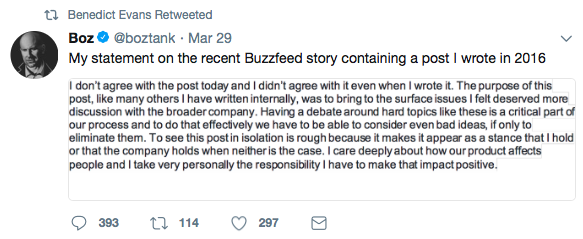 Bosworth has since disavowed the memo (as has Facebook), saying it indeed looked "rough" in isolation, but was intended to stir conversation about what Facebook was doing. Moreover, he said, while the memo certainly stirred conversation back in 2016, most other Facebook employees didn't agree with his post.But even that assertion was disputed in a followup piece in Buzzfeed, which also released the original memo. The story quoted one fellow employee describing Bosworth as one of the company's most outspoken employees, and generally representative of the majority of its employees in terms of his convictions about the need to connect and connect and connect (and make a lot of money doing it).
 In the days since the Bosworth memo surfaced, we've seen an example, just down the road from Facebook in the heart of Silicon Valley, of the dark side of connecting.A young Persian YouTube influencer named Nasim Aghdam, a vegan and bodybuilder from San Diego, travelled to Google's headquarters in San Bruno, Calif. There, upset over the impacts of YouTube's "ad-pocalypse," which dramatically cut her share of ad revenue and viewership, she shot four people then killed herself.
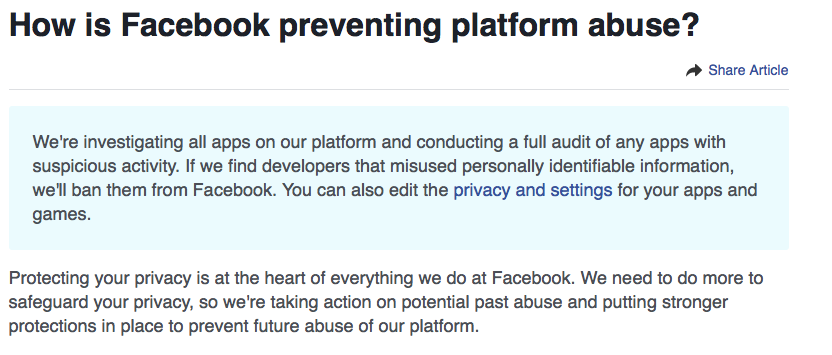 Separately, Facebook posted a lengthy blog piece about changes its making, including a new tool to bulk unfollow Facebook apps you no longer use. It also is automatically ending authorization after three months for any unused apps, and changing how log-in data is accessed.
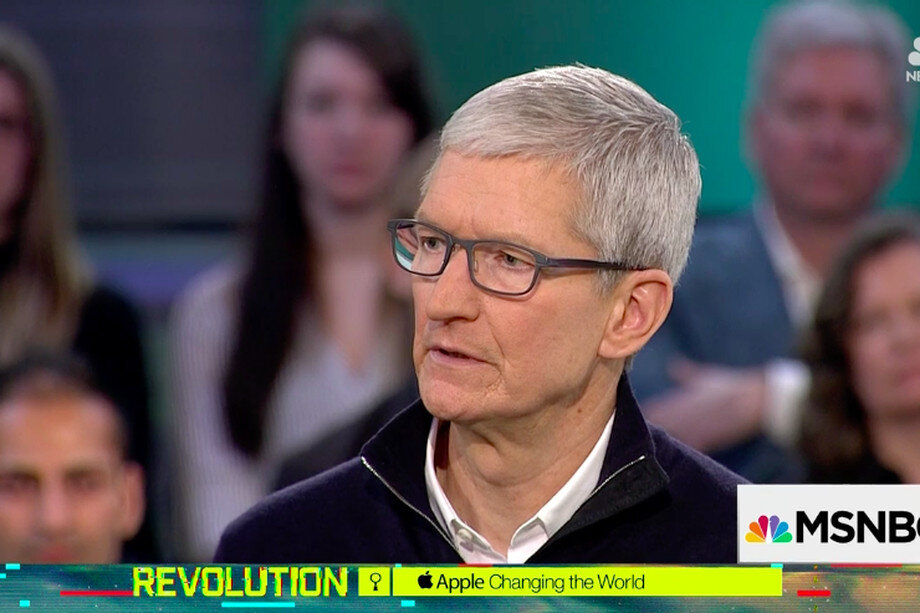 In a lengthy interview with Recode and MSNBC that aired Thursday, Cook said, "This certain situation is so dire and has become so large that probably some well-crafted regulation is necessary…The ability of anyone to know what you’ve been browsing about for years, who your contacts are, who their contacts are, things you like and dislike, and every intimate detail of your life — from my own point of view, it shouldn’t exist."