The Coming Signal Culling: Is Broadcast TV Next After Radio’s 2025 Decline?
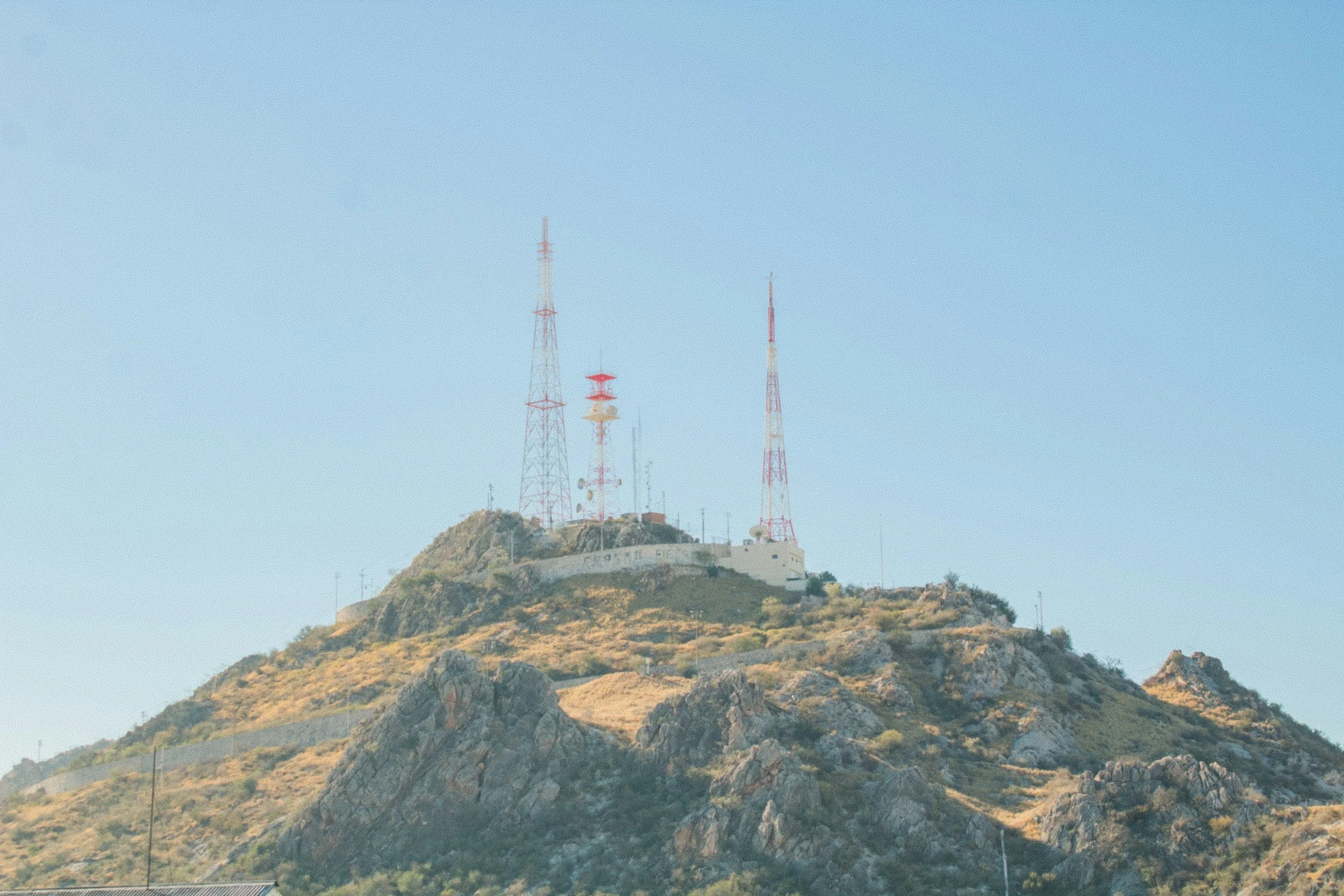
Carlos Lugo / @carlangasl3 / via Unsplash
Radio is entering 2025 with fewer signals than at any point in recent memory, a casualty of deregulation, consolidation, and shifting audience behavior. For decades, AM and FM stations seemed untouchable. Yet now, licenses are quietly being surrendered, under-performing outlets are going dark, and active service counts are shrinking. This “radio culling” is a reminder that even the most entrenched parts of America’s media ecosystem are vulnerable to technological and regulatory tides.
The question is whether US broadcast television — particularly its sprawling low-power and translator sector — might face a similar reckoning before the decade is out. The signs suggest it could.
Oversized Infrastructure For A Shrinking Audience
As of March 2025, the FCC reports about 1,767 full-power TV stations and 383 Class A stations, along with roughly 1,786 low-power (LPTV) and some 12,000+ translator facilities. That means the vast majority of broadcast transmitters are lower-power signals that either rebroadcast another station or serve very small local audiences — a network architecture designed for an era when antennas dominated distribution for household viewing of television..
But the audience has moved. Nielsen’s monthly Gauge tally in August showed that broadcast TV viewing this summer had fallen below 20% of total “television” consumption, while streaming commanded more than twice that share. What was once a cyclical trend is now structural: a nationwide transmission system built for mass reach now serves a shrinking slice of the public.
Deregulation And Consolidation
Under current FCC leadership, the push to loosen long-standing ownership rules is accelerating. Late last month, the commission voted to seek comment on lifting the ban that prevents mergers among the “Big Four” networks (ABC, CBS, NBC, Fox). Major groups like Nexstar, Sinclair, and Gray are also lobbying to eliminate the 39% national audience cap and ease local-market restrictions. If successful, these changes would accelerate consolidation — where “efficiency” often translates into shuttered transmitters and abandoned signals.
The ATSC 3.0 Trigger
Technology could prove the catalyst. The NAB has urged the FCC to establish a firm timeline for migrating to ATSC 3.0, proposing conversion of the largest markets by 2028 and a nationwide transition by 2030. (The FCC looks to be obliging the formal discussion of such later this month.) Small broadcasters warn that the costs could be ruinous. The Low Power Television Broadcasters Association (LPTVBA) estimates per-site upgrades at around $300,000, a price many small operators cannot justify. While the FCC has not yet mandated a cutoff for ATSC 1.0, a proposal is underway to at least ease the path for broadcasters to do so — and many smaller stations fear they could be left behind.
Spectrum: The Billion-Dollar Temptation
Valuable spectrum remains the silent motivator. Congress has extended the FCC’s authority to auction frequencies, with ongoing initiatives to reallocate UHF and VHF bands for mobile and fixed wireless use. The 2017–2020 broadcast “repack” showed that regulators are willing to reorder the dial in pursuit of efficiency. Translators and low-power outlets — already the most vulnerable — could again be prime candidates for reclamation.
The Permit Mirage
Last month, the FCC also began lifting its long-standing freeze on applications for new LPTV and translator stations, with full acceptance expected by early 2026. Yet history shows that many construction permits never become real stations. They exist on paper more than in practice — making them easy targets for deletion if economic or political winds shift.
Economics That No Longer Add Up
The financial pressures are mounting. S&P Global projects that total U.S. TV station revenue (ad sales plus retransmission consent) will decline nearly 7% in 2025, to $37.6 billion. With advertising softening and retrans fees plateauing, broadcasters face an increasingly unsustainable cost structure — especially when tasked with funding new transmission technology.
The 2026–2030 Scenario
Together, these forces point to a likely “culling window” between 2026 and 2030 — as ATSC 3.0 transition deadlines, regulatory spectrum (and revenue) pressures, and ownership consolidation forces converge. Full-power stations in large markets will survive, consolidated under fewer corporate umbrellas and buttressed by network-rooted news and live sports. But low-power, translator, and small-market Class A outlets — especially in remote, rural areas — may not.
Radio’s 2025 winnowing may only be the prelude to what’s ahead for TV. Broadcast television, with its sprawling but fragile low-power backbone, could be next. The next wave of spectrum auctions may not just shuffle TV’s deck chairs — it could determine which stations remain on the air at all.
Local News To Peruse
FCC To Vote On Accelerating ATSC 3.0 Transition At October Meeting - Tom Butts [TVTech]
FCC’s Newest NEXTGEN TV Plan Erases Firm ATSC 1.0 End Date - Adam Jacobson [Radio+Television Business Report]
Cedar Falls Utilities Shutting Down 'Dying' Cable TV Next October - Ted Hearn [Policyband]
Too Small to Mess With - Lucy Schiller [Columbia Journalism Review]
FCC Commissioner Gomez: Time For Firm “Public Interest” Definition - Matthew Keys [TheDesk.net]
Want Younger Local TV Viewers? Build Parallel Pipelines - Tom Sly [TVNewsCheck]