Data And The Other Walled Gardens Shine At Possible
You can’t go to a conference of marketers without talking about AI — the opportunities, the anxieties about what happens to people’s jobs, the reasons why yours is different, etc.
For Possible 2026, the organizers didn’t shy away from addressing marketing’s incredible AI-fueled transformation. But they also balanced the content offerings to get past that and into the signals marketers are using to drive results. Which was appreciated.
Also appreciated: Possible continues to carve out its own identity. It didn’t try to be Cannes (aside from a few little yachts by the road). This event is less about chest hair and sunscreen, and more about conversations of real substance from people who do the actual work — not just the executives that “get to go,” but the VPs and directors and others who can get this conference attendance approved by the CFO. (It helps, of course, that it’s domestic.) At least that’s my take.
While I’m at it, a few other takeaways:
Outcomes Require Knowing Audiences
I sat in on a panel with MMA, Alliant and Campbell that explored a five-year study picking apart the KPIs that matter most for driving outcomes. The biggest one? Brand affinity. In other words, is the brand likeable? That’s cold water thrown on all these ROASsholes who are hot on focusing on one signal and calling it an outcome. Turns out, brand marketing — and audiences matter more than ad tech wants to acknowledge.
It was hard to have a single conversation that didn’t touch on AI in some way. For good reason. Whereas last year people obsessed about agents on top of whatever, this year showed signs of maturity. Mediaocean’s Bill Wise is talking about their infrastructure company in terms of an electrical grid that helps deploy AI agents. In other words, agents need a solid foundation, a trusted framework of data, or else they’re useless.
To wit, I spent some time with iSpot’s Sean Muller shooting a video on the future of measurement (out soon) and he makes the simple point that brands understand you can’t have meaningful outcomes without de-duplicated, cross platform audience measurement — something the market seems to glaze over. Likewise, you can’t have impactful agents without trusted, vetted data. Sean is bullish on their AI play in part because iSpot originates 10 billion points of data a day — i.e., a firehose that agents can use to connect dots between creative branding impacts, audience targeting and exposure and outcomes.
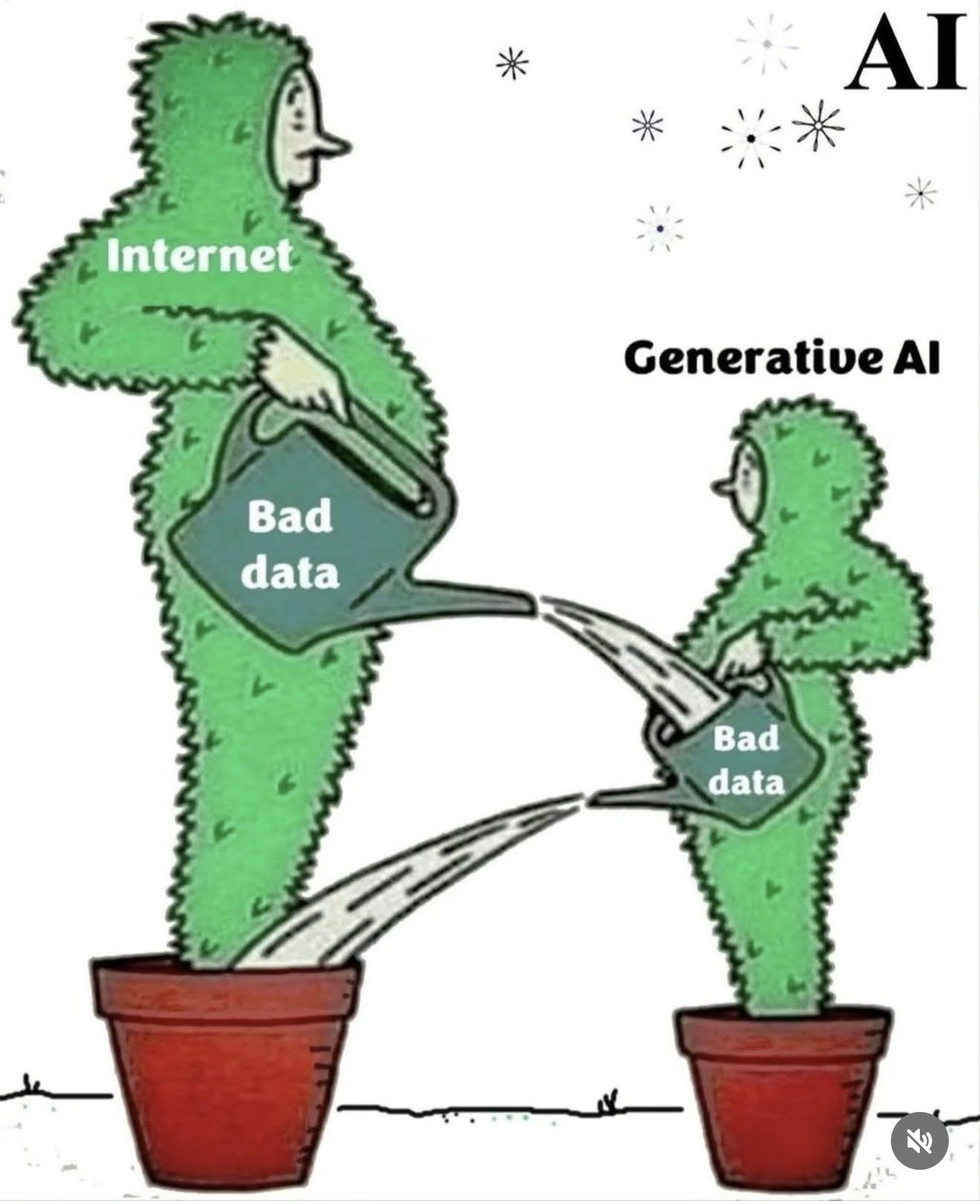
I started to think about the cobbled together solutions I’ve heard of and how garbage in will literally be garbage out. Bad data means bad robots, and on TV and CTV where fraud and junk traffic still make their way into the ecosystems — that can mean billions wasted for brands.
To that point, we also spent time at Possible with the Truthset team and some of their customers/partners talking about how cleaning up demographic data for accuracy is helping brands, networks and platforms cut way down on the so-called ad tax. The old 7 hop tax from a brand to a publisher leaves only a few cents on every dollar to be active media.
Their pitch is simple, by offering verified data quality, transparency and choice to CTV, publishers can now have a chance to know who ads actually reach and how they perform, which to date has been the real secret sauce enjoyed by Meta, YouTube and even Netflix. That knowledge of the audiences is underrated because the message is so polluted. But in reality, audience is the most important piece of the puzzle, without that everything else is a guestimate.
TV is Being Taken Over by the Other Walled Gardens
The TV landscape once dominated by cable channels and big media bosses still matters, but people are waking up to the new heavyweights: the operating systems and major retail brands. The other walled gardens.
VIZIO — whose team was also on the ground at Possible — enjoys an incredible perch as the TV company that sits alongside the world’s largest retailer. In case you haven’t seen the charts from Omdia, (below) is the horse race for the future. You can see clearly, Cast OS (VIZIO) is surging.

The OS companies are in a prime position, not just because of the gatekeeping aspect of owning the navigation path and first thing you see when someone logs on, but because smart TVs now sit on top of the kind of data that traditional media companies can only scratch the surface on.
These companies have incredible detail on the purchase and viewing behaviors and the ability to deliver on shoppable as the behavior gains traction.
Amazon, likewise is focusing hard on eating TTD’s CTV dominance, with rumors of no added fees to agencies, for a year. Meanwhile, Roku’s adoption in the OS space and tie-up with Amazon are giving it a staying power that many (including those on Wall Street) are coming back around on. LG Ads, a tad late to OS advertising, is making leaps and bounds.
Each has authenticated users that sit across all the apps and the ability to see past a single app usage. The war once waged between TV networks is now being fought along the basis of opted-in users.
This opens a lane for OpenAP to matter more and for companies like Madhive to help broadcasters tap into streaming across other platforms and move beyond just TV spots — toward something more focused and omni-channel than a broad demo.
Alas, that’s just what I bumped into.
Only time will tell what becomes of Possible, but for now it's clearly a must-attend event for those in the business of marketing. Even if the decibel levels in the hotel lobby are harmful to your hearing, it can’t be worse than operating your business without tapping into the brain trust assembled in Miami each year.